
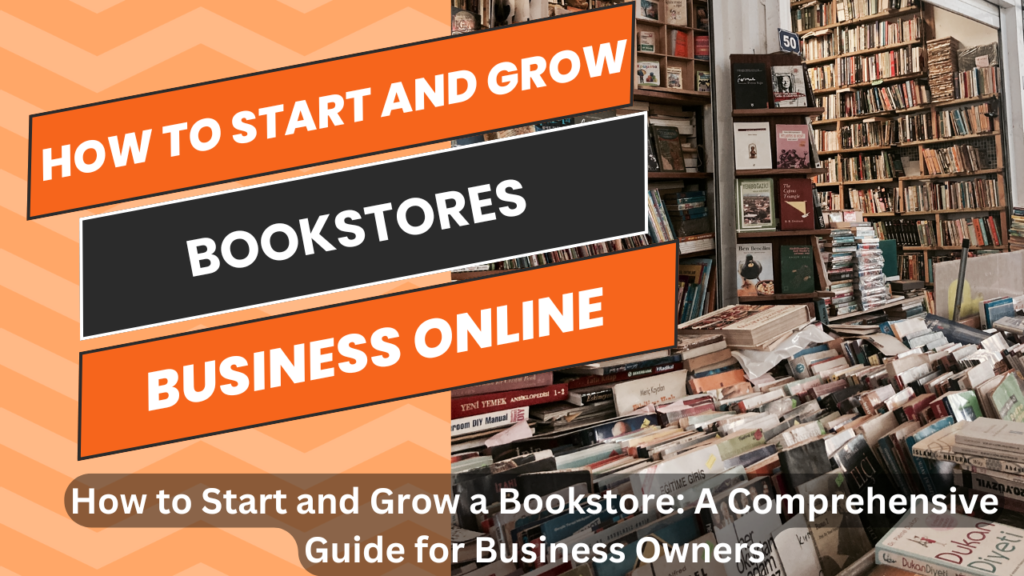
How to Start and Grow a Bookstore: A Comprehensive Guide for Business Owners

Start & Grow a Bookstore: A Guide for Business Owners

How to Start and Grow a Bookstore: A Comprehensive Guide for Business Owners

In an era where digital transformation is reshaping industries, bookstores are no exception. While the charm of a physical bookstore remains timeless, the need for a robust online presence has never been more critical. Whether you’re a seasoned business owner or a budding entrepreneur, starting and growing a bookstore in today’s competitive landscape requires a strategic blend of traditional business acumen and cutting-edge digital strategies.

The start grow bookstore: guide business is available exclusively at Wp PiP.

In this blog post, we’ll explore how to start and grow a bookstore, focusing on key digital strategies such as web development, digital marketing, and video editing. We’ll also highlight the importance of a strong online presence and provide actionable tips to help you succeed. Throughout this guide, we’ll position WpPiP as your go-to partner for achieving online business success, offering tailored services in web development, digital marketing, and video editing.

1. Laying the Foundation: Starting Your Bookstore

1.1. Market Research and Niche Selection

Before diving into the digital realm, it’s essential to lay a solid foundation for your bookstore. Start by conducting thorough market research to understand your target audience, competition, and market trends. Consider specializing in a niche, such as rare books, children’s literature, or academic texts, to differentiate your bookstore from larger chains.

1.2. Business Plan and Budgeting

Create a detailed business plan outlining your goals, target market, pricing strategy, and financial projections. Allocate a budget for both physical and digital infrastructure, ensuring you have the resources to invest in a strong online presence.

1.3. Legal and Operational Setup

Register your business, obtain necessary licenses, and set up your physical store (if applicable). Simultaneously, prepare to establish your online store, which will be a crucial component of your business strategy.

2. Building a Strong Online Presence: Web Development

2.1. The Importance of a Visually Appealing Website

Your website is the digital face of your bookstore. It’s where potential customers will first interact with your brand, so it’s crucial to make a lasting impression. A visually appealing, user-friendly website can significantly enhance customer experience and drive conversions.

2.2. Key Elements of a Bookstore Website

  • Responsive Design: Ensure your website is mobile-friendly, as a significant portion of online traffic comes from mobile devices.
  • Intuitive Navigation: Make it easy for visitors to browse books by category, author, or genre. Implement a robust search functionality to help users find specific titles quickly.
  • High-Quality Imagery: Use high-resolution images of your books and store (if applicable) to create an engaging visual experience.
  • SEO Optimization: Optimize your website for search engines to improve visibility and attract organic traffic. Focus on keywords related to your niche, such as “rare books,” “children’s literature,” or “academic textbooks.”
  • E-commerce Integration: If you plan to sell books online, integrate a secure e-commerce platform that supports seamless transactions.

2.3. Leveraging WpPiP for Web Development

At WpPiP, we specialize in creating visually stunning, highly functional websites tailored to your business needs. Our team of expert developers will work with you to design a website that not only looks great but also performs exceptionally well in search engine rankings. From responsive design to e-commerce integration, we’ve got you covered.

3. Driving Traffic and Engagement: Digital Marketing

3.1. The Role of Digital Marketing in Growing Your Bookstore

Digital marketing is the engine that drives traffic to your website and converts visitors into customers. A well-executed digital marketing strategy can help you reach a broader audience, build brand awareness, and boost sales.

3.2. Effective Social Media Marketing

Social media platforms are powerful tools for connecting with your audience and promoting your bookstore. Here are some tips for effective social media marketing:

  • Platform Selection: Focus on platforms where your target audience is most active. For bookstores, Instagram, Facebook, and Twitter are excellent choices.
  • Content Strategy: Share a mix of content, including book recommendations, author interviews, behind-the-scenes glimpses, and customer testimonials. Use visually appealing images and videos to capture attention.
  • Engagement: Respond to comments, messages, and reviews promptly. Engage with your audience by hosting live Q&A sessions, book clubs, or giveaways.
  • Paid Advertising: Consider running targeted ads on social media to reach a larger audience. Use precise targeting options to ensure your ads are seen by potential customers who are interested in books.

3.3. Email Marketing

Email marketing is a cost-effective way to nurture relationships with your customers and keep them informed about new arrivals, promotions, and events. Build an email list by offering incentives such as discounts or free eBooks. Send regular newsletters with personalized recommendations based on customers’ reading preferences.

3.4. Leveraging WpPiP for Digital Marketing

WpPiP offers comprehensive digital marketing services to help you grow your bookstore online. Our team will develop a customized marketing strategy that includes social media management, email marketing, and paid advertising. We’ll work closely with you to ensure your campaigns are aligned with your business goals and deliver measurable results.

4. Engaging Your Audience: Video Content

4.1. The Power of Video Content

Video content is one of the most engaging forms of digital media. It allows you to tell your story, showcase your products, and connect with your audience on a deeper level. For bookstores, video content can be a game-changer in attracting and retaining customers.

4.2. Types of Video Content for Bookstores

  • Book Trailers: Create short, cinematic trailers for new book releases to generate excitement and anticipation.
  • Author Interviews: Conduct interviews with authors to provide insights into their writing process and upcoming works.
  • Book Reviews: Share video reviews of popular or niche books to help customers make informed purchasing decisions.
  • Behind-the-Scenes: Offer a glimpse into the daily operations of your bookstore, highlighting the passion and dedication that goes into running your business.
  • Reading Recommendations: Create videos where you or your staff recommend books based on different themes, genres, or moods.

4.3. Tips for Creating High-Quality Video Content

  • Invest in Good Equipment: Use a high-quality camera and microphone to ensure your videos are clear and professional.
  • Focus on Storytelling: Craft compelling narratives that resonate with your audience. Whether it’s a book trailer or an author interview, storytelling should be at the heart of your video content.
  • Optimize for SEO: Use relevant keywords in your video titles, descriptions, and tags to improve visibility on platforms like YouTube.
  • Promote Across Platforms: Share your videos on your website, social media channels, and email newsletters to maximize reach.

4.4. Leveraging WpPiP for Video Editing

At WpPiP, we understand the importance of high-quality video content in today’s digital landscape. Our team of skilled video editors will help you create professional, engaging videos that captivate your audience and drive conversions. From book trailers to author interviews, we’ll handle all aspects of video production, ensuring your content stands out in a crowded market.

5. Measuring Success: Analytics and Continuous Improvement

5.1. The Importance of Analytics

To ensure your digital strategies are effective, it’s crucial to track and analyze key performance metrics. Use tools like Google Analytics, social media insights, and email marketing reports to monitor website traffic, engagement, and conversion rates.

5.2. Continuous Improvement

Digital marketing is an ongoing process that requires constant optimization. Regularly review your analytics data to identify areas for improvement. Experiment with different content formats, marketing channels, and targeting strategies to find what works best for your bookstore.

5.3. Leveraging WpPiP for Analytics and Optimization

WpPiP offers advanced analytics and optimization services to help you make data-driven decisions. Our team will monitor your digital performance, provide detailed reports, and recommend actionable insights to enhance your online presence and drive growth.

6. Conclusion: Partner with WpPiP for Digital Success

Starting and growing a bookstore in today’s digital age requires a multifaceted approach that combines traditional business practices with modern digital strategies. From web development and digital marketing to video editing, every aspect of your online presence plays a crucial role in attracting and engaging customers.

At WpPiP, we are committed to helping you achieve your digital growth goals. Our comprehensive suite of services, including web development, digital marketing, and video editing, is designed to provide you with a complete solution for online business success. Whether you’re just starting out or looking to take your bookstore to the next level, our team of experts is here to support you every step of the way.

Ready to transform your bookstore into a digital powerhouse? Contact WpPiP today for professional assistance in web development, digital marketing, and video editing. Let us help you create a strong online presence that drives traffic, engages customers, and boosts sales. Don’t wait—your digital success story starts with WpPiP. Reach out to us now and take the first step towards achieving your business goals!

…your bookstore requires a vision and a plan. Identifying your unique selling proposition (USP) is crucial. What will make your bookstore stand out in a competitive market? Perhaps it’s a focus on local authors, or maybe it’s a curated selection of vintage and rare books. Whatever your angle, the importance of identifying and nurturing your niche cannot be overstated. This is an essential step in your journey to start and grow a bookstore: guide business decisions along the way by knowing the specific needs and preferences of your target customers.

Creating a dynamic experience for customers will set your bookstore apart. Consider organizing regular events such as book signings, readings, and workshops to attract diverse audiences. Engaging with your community offline and online fosters loyalty and positions your store as a cultural hub. This blend of community involvement and targeted marketing represents a solid strategy to start and grow a bookstore: guide business models to evolve with consumer trends, ensuring longevity and relevance in a rapidly changing market.

Your online presence is as vital as the physical space of your store. Developing an e-commerce website allows you to reach a broader audience, offering the convenience of browsing and purchasing books from anywhere. Additionally, maintaining active social media channels provides a platform for ongoing engagement with your customer base. Through these channels, you can share content, announce new arrivals, and interact with customers, creating a community around your brand. These digital tools are invaluable assets in efforts to start and grow a bookstore: guide business strategies by leveraging technology to complement traditional selling techniques.

Inventory management is another fundamental aspect of running a successful bookstore. Understanding trends, seasonal favorites, and calculating the demand vs. supply ratio are crucial. Software solutions are available that can help track sales patterns, manage orders, and control stock levels effectively. Implementing these systems ensures that you are well-prepared to meet customer expectations without overstocking or missing potential sales opportunities. In short, efficient inventory management is a cornerstone when you start and grow a bookstore: guide business practices toward streamlined operations and increased profitability.

Capital and financial planning are critical aspects to consider for both aspiring and existing bookstore owners. Calculating initial setup costs, from rent and utilities to inventory and staffing, is necessary for a realistic budget. Regular financial reviews, cash flow management, and exploring funding options like small business loans or investor partnerships can provide financial stability and support growth plans. A well-thought-out financial strategy makes it viable to start and grow a bookstore: guide business trajectories into sustainable and profitable routes.

Don’t underestimate the power of exceptional customer service. Training your staff to provide knowledgeable recommendations and personalized assistance enhances the shopping experience and encourages repeat visits. Building relationships with customers fosters loyalty and inspires word-of-mouth marketing, which remains one of the most effective forms of promotion. A focus on customer service excellence can significantly impact how you start and grow a bookstore: guide business interactions to build a devoted customer base that feels valued and appreciated.</p

your bookstore today involves more than just stocking books; it’s about creating an engaging and sustainable business model that thrives both offline and online. The journey to start grow bookstore: guide business owners through the maze of decisions and strategies is indeed an exciting one. First, let’s delve into understanding your target audience. Knowing who your customers are will shape everything from inventory selection to marketing efforts. Consider conducting surveys or engaging with online reading communities to gather insights into buying habits and preferences.

Adapting to the digital era is crucial. Invest in a user-friendly website to ensure your bookstore is accessible around the clock. An online store provides an additional revenue stream and allows you to reach a broader audience beyond your local community. Complement this with an active presence on social media platforms to engage with your audience. Share content that resonates with your customers, such as book reviews, author interviews, and upcoming events at your store. A robust social media strategy can turn casual browsers into dedicated patrons.

Building partnerships can enhance your bookstore’s growth trajectory. Collaborate with local authors and publishers to host book signings and readings. Such events not only attract foot traffic but also strengthen community ties. Consider reaching out to schools and libraries to create mutually beneficial programs that foster a love of reading. Establishing these connections can position your bookstore as a local staple for literary culture.

Your bookstore’s ambiance plays a significant role in attracting and retaining customers. A welcoming environment invites people to linger and explore. Thoughtfully arranged seating areas, ambient lighting, and cozy reading nooks can encourage customers to settle in and spend more time in-store. Additionally, a well-curated selection of books that reflects current trends, diverse voices, and classic literature can cater to a wide range of readers and inspire repeat visits.

Another essential aspect of ensuring your bookstore’s success is staying responsive to market trends. For example, the rise of interest in specific genres, such as graphic novels or wellness books, may present opportunities to grow your inventory accordingly. Regularly refreshing your selection not only keeps your offerings relevant but also encourages ongoing patronage.

Implementing a loyalty program can be an effective strategy to encourage return visits and customer retention. Offering discounts, exclusive previews, or free events to members can create a sense of community and make your bookstore a preferred destination for book lovers. Additionally, personalized recommendations based on past purchases can enhance customer experience and increase sales.

It’s important to keep track of your store’s performance through consistent analysis of sales data and customer feedback. This will help identify areas for improvement and potential growth opportunities. Understanding which books sell well and which don’t can assist in refining your inventory strategy and maximizing profitability.

Finally, ensure you have a solid financial plan. Budgeting for operational costs, marketing investments, and unexpected expenses is essential in maintaining the financial health of your business. Diversifying income streams, such as through online sales or offering coffee and snacks

in a competitive bookstore industry requires a finely tuned combination of dedication and innovation. As you embark on this exciting journey, understanding market needs and evolving trends is crucial. To start grow bookstore: guide business effectively, aligning strategic planning with both customer experiences and comprehensive inventory management is key.

Begin by curating a diverse selection of books that caters to the interests and passions of your target audience. Engaging with local communities and hosting events can create a vibrant atmosphere, drawing in more patrons. Furthermore, to start grow bookstore: guide business successfully, it’s important to embrace digital tools and services. An e-commerce platform not only expands your reach but also offers convenience to customers who prefer online shopping. Social media engagement is another powerful resource where you can create connections, share book recommendations, and foster a book-loving community.

Financial management is another vital aspect when you start grow bookstore: guide business. Keeping a meticulous eye on cash flow, understanding your revenue streams, and managing expenses wisely will lay a strong foundation for your bookstore’s growth. Consider various factors such as location, rent, and operational costs when planning your budget.

In your quest to start grow bookstore: guide business, having a dedicated team that shares your vision can make a significant difference. Empower your team to provide exceptional customer service, and invest in their development. Employees who are passionate about books can create an inviting and knowledgeable environment that encourages customers to return.

Lastly, never underestimate the power of feedback. Listening to your customers and adapting to their needs will not only improve your store but also deepen their loyalty. As you continue to start grow bookstore: guide business, remember that flexibility, creativity, and a love for books are the ingredients that will help your venture thrive in both physical and digital realms.

“`html

venture, understanding the dynamics of both worlds is crucial. Establishing a bookstore requires more than just a love for literature; it demands a thorough business strategy that integrates both physical and digital experiences. Leveraging an informed plan is key to succeeding in this dual landscape.

Develop a deep understanding of your target audience and their reading habits. Are they local book enthusiasts who cherish the feel of a crisp new page, or are they digital natives constantly on their devices? By identifying these preferences early, you can tailor your offerings and marketing strategies accordingly. As you start and grow your bookstore, a guide for business is essential to navigate the evolving landscape of book retail.

Inventory selection plays an equally pivotal role. A well-curated collection will not only attract a loyal customer base but also reflect the unique identity of your store. Consider carrying a diverse range of genres to appeal to wide-ranging tastes. Supplementing with community events and author signings will create a dynamic space that resonates with book lovers. Incorporating these strategies will be indispensable as you start grow bookstore: guide business towards a thriving future.

Implementing a robust online presence is another fundamental aspect. An intuitive website with seamless e-commerce functionality can greatly extend your reach. This allows customers to browse and purchase books from the comfort of their homes, ensuring you capture sales that might be lost to online giants. Furthermore, social media channels are invaluable for building community and engaging directly with your audience, offering updates, insights, and sneak peeks into upcoming store events or new arrivals.

Having a knowledgeable staff that shares your passion for books can also enhance the customer experience. Training your team to provide personalized recommendations and foster a welcoming atmosphere will set your bookstore apart. Engaging directly with customers and valuing their feedback provides insights that can guide business growth and adaptation.

Building a bookstore is as much about creating a cultural hub as it is about selling books. Encouraging in-store book clubs, readings, and workshops can transform your store into a community staple. These interactions not only boost sales but also deepen the connection between your business and its patrons, ensuring longevity in an industry where trends often shift.

No matter the scale of your ambitions, a carefully structured plan that intertwines digital innovation with the irreplaceable charm of a physical location is paramount. This strategic approach not only helps in maintaining consistent revenue but also paves the way for sustainable success. By integrating these elements, you will not only start grow bookstore: guide business to immediate profitability but also ensure its relevance in years to come.

“`

Start & Grow a Bookstore: A Guide for Business Owners

In establishing your bookstore, understanding your target audience is crucial. Each bookstore thrives on the unique community it serves. Whether catering to students, literary enthusiasts, or the casual reader, aligning your selection with their interests ensures foot traffic and engagement. This understanding goes beyond books—consider complementary products or services that resonate with your audience’s lifestyle.

For those committed to maintaining a physical presence, the ambiance of your bookstore plays a significant role. Create a welcoming environment that invites customers to linger. Thoughtful layout, comfortable seating, and well-organized shelves contribute to an inviting atmosphere that customers remember and want to return to. Additionally, hosting events such as author signings or reading clubs can forge a stronger connection with your community, turning visitors into regular patrons.

Having a digital strategy, including a well-designed online store, is essential in today’s market. This presence is crucial not only for expanding your reach beyond local boundaries but also for enhancing customer convenience. Offer an intuitive browsing experience, easy navigation, and concise categorization of your inventory online. Furthermore, integrating a blog or resources page can enrich your site, providing insights into the latest literary trends or staff picks, which may prompt more visits and engagement.

When approaching the financial aspects of starting your bookstore, perform a detailed market analysis. This encompasses understanding the competitive landscape, identifying niche markets, and setting realistic financial goals. Aligning your initial inventory with budget considerations will guide purchasing decisions and avoid overstocking. As your bookstore grows, consistently evaluate your financial metrics to identify areas for budget optimization and reinvestment in marketing or new inventory lines.

Never underestimate the power of strategic partnerships. Collaborating with local authors, schools, or cultural institutions can provide unique promotional opportunities and foster a supportive network. This kind of engagement not only positions your bookstore as a community hub but also enhances your reputation as a champion of local talent and education. By leaning into these relationships, your store can quickly become a staple in the area, known for more than just its selection of books.

The balance between employee satisfaction and customer satisfaction is delicate but achievable. Employees who are passionate about your mission and who feel supported in their roles are more likely to provide exceptional customer service. Consider investing in employee training that not only covers product knowledge but also enhances personal growth and job satisfaction. As your business expands, these employees often become your brand ambassadors, championing the unique value your bookstore adds to the community.

Adapting to technological advancements is just as important as traditional customer service methods

Leave a Reply

WhatsApp Logo Chat with Us
