
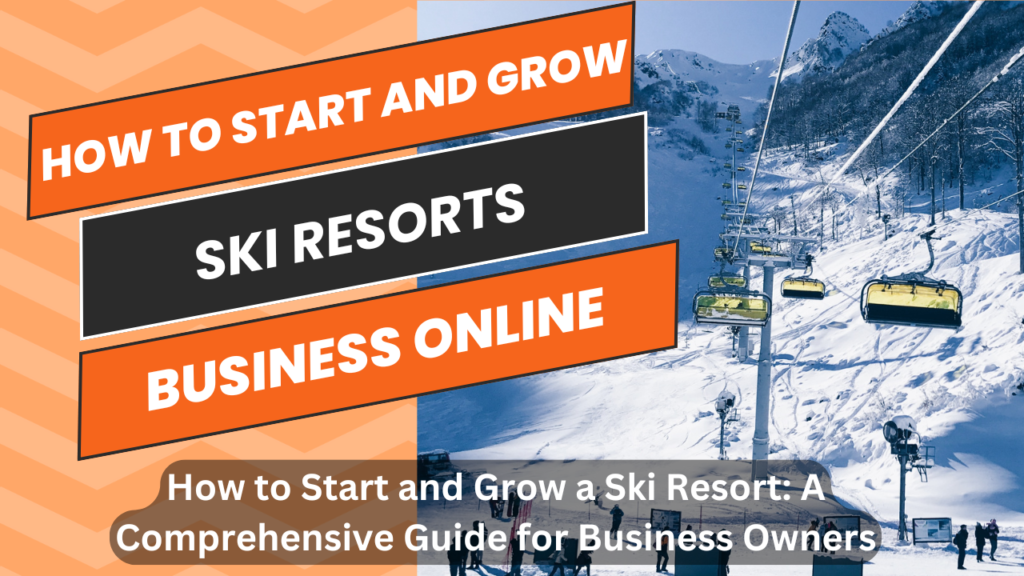
How to Start and Grow a Ski Resort: A Comprehensive Guide for Business Owners

Starting & Growing a Ski Resort: A Guide for Owners

How to Start and Grow a Ski Resort: A Comprehensive Guide for Business Owners

The ski resort industry is a thrilling and lucrative venture, but it’s also highly competitive. With the rise of digital technology, the success of your ski resort depends not only on the quality of your slopes and amenities but also on your ability to create a strong online presence. In today’s digital-first world, business owners must leverage web development, digital marketing, and video editing to attract and retain customers.

The starting growing ski resort: guide is available exclusively at Wp PiP.

At WpPiP, we specialize in helping businesses like yours achieve online success through tailored web development, digital marketing, and video editing services. In this blog post, we’ll walk you through the essential steps to start and grow a ski resort, with a focus on key digital strategies that will set you apart from the competition.

  1. Building a Visually Appealing Website: Your Digital Front Door
    Your website is the first impression potential customers will have of your ski resort. It’s not just a place to share information—it’s a powerful tool to showcase your brand, attract bookings, and engage visitors. Here’s how to create a website that stands out:

a. Invest in Professional Web Development
A poorly designed website can drive potential customers away. Partnering with a professional agency like WpPiP ensures your site is visually appealing, user-friendly, and optimized for conversions. Key features to include:

Responsive Design: Ensure your website looks great on all devices, from desktops to smartphones.

High-Quality Imagery: Use stunning photos of your slopes, lodges, and amenities to captivate visitors.

Easy Navigation: Make it simple for users to find information about pricing, accommodations, and activities.

Booking Integration: Allow customers to book lift tickets, rentals, and lodging directly on your site.

b. Highlight Your Unique Selling Points (USPs)
What makes your ski resort special? Whether it’s family-friendly slopes, luxury accommodations, or après-ski entertainment, make sure your USPs are front and center on your website. Use compelling copy and visuals to communicate your value proposition.

c. Optimize for SEO
Search engine optimization (SEO) is critical for driving organic traffic to your website. Work with WpPiP to implement SEO best practices, such as:

Keyword Research: Target terms like “best ski resorts in [location]” or “family-friendly ski vacations.”

Local SEO: Optimize for local searches by creating a Google My Business profile and including location-specific keywords.

Content Marketing: Publish blog posts about skiing tips, resort updates, and local attractions to boost your search rankings.

  1. Implementing Effective Social Media Marketing
    Social media is a powerful tool for building brand awareness, engaging with customers, and driving bookings. Here’s how to make the most of your social media presence:

a. Choose the Right Platforms
Focus on platforms where your target audience is most active. For ski resorts, Instagram, Facebook, and TikTok are ideal for sharing visually engaging content.

b. Share Engaging Content
Post a mix of content to keep your audience engaged:

Scenic Photos and Videos: Showcase the beauty of your resort with breathtaking visuals.

User-Generated Content (UGC): Encourage guests to share their experiences and repost their content (with permission).

Behind-the-Scenes Content: Give followers a glimpse of what goes into running a ski resort, from grooming slopes to preparing meals.

c. Run Targeted Ads
Social media ads allow you to reach a highly specific audience. Use platforms like Facebook and Instagram to target:

Ski enthusiasts in your region.

Families looking for winter vacation destinations.

Luxury travelers seeking high-end accommodations.

At WpPiP, we can help you create and manage targeted ad campaigns that deliver measurable results.

d. Engage with Your Audience
Respond to comments, messages, and reviews promptly. Engaging with your audience builds trust and fosters a sense of community around your brand.

  1. Leveraging Video Content to Attract and Engage Customers
    Video is one of the most effective ways to showcase your ski resort and connect with potential customers. Here’s how to use video content to your advantage:

a. Create a Highlight Reel
A well-produced highlight reel can serve as the centerpiece of your marketing efforts. Showcase your slopes, amenities, and guest experiences in a dynamic, engaging format.

b. Share Tutorials and Tips
Position your resort as an authority by sharing helpful content, such as:

Skiing and snowboarding tutorials.

Packing tips for winter vacations.

Safety guidelines for beginners.

c. Use Drone Footage
Drone footage offers a unique perspective of your resort, capturing the scale and beauty of your slopes and surroundings. This type of content is highly shareable and can go viral on social media.

d. Partner with Influencers
Collaborate with skiing influencers to create authentic video content that resonates with their followers. Influencer partnerships can significantly expand your reach and credibility.

At WpPiP, our video editing experts can help you create professional, high-quality videos that captivate your audience and drive bookings.

  1. Building a Strong Online Reputation
    Your online reputation can make or break your ski resort. Here’s how to manage it effectively:

a. Encourage Reviews
Positive reviews on platforms like Google, Yelp, and TripAdvisor can significantly influence potential customers. Encourage satisfied guests to leave reviews by:

Sending follow-up emails after their stay.

Offering incentives, such as discounts on future bookings.

b. Respond to Feedback
Address both positive and negative reviews professionally and promptly. Show that you value customer feedback and are committed to improving their experience.

c. Showcase Testimonials
Feature glowing testimonials on your website and social media channels. Authentic praise from past guests can be a powerful selling point.

  1. Measuring and Optimizing Your Digital Strategy
    To ensure your digital efforts are paying off, it’s essential to track your performance and make data-driven decisions. Key metrics to monitor include:

Website traffic and conversion rates.

Social media engagement (likes, shares, comments).

Email open and click-through rates.

Return on ad spend (ROAS).

At WpPiP, we provide comprehensive analytics and reporting to help you understand what’s working and where there’s room for improvement.

Why Choose WpPiP for Your Ski Resort’s Digital Growth?
Starting and growing a ski resort is no small feat, but with the right digital strategies, you can attract more visitors, boost bookings, and build a loyal customer base. At WpPiP, we’re passionate about helping businesses like yours succeed online.

Our team of experts offers a complete suite of services, including:

Web Development: Create a stunning, user-friendly website that showcases your resort’s unique charm.

Digital Marketing: Implement targeted campaigns to reach your ideal audience and drive bookings.

Video Editing: Produce high-quality video content that captivates and engages your audience.

We understand that every ski resort is unique, which is why we tailor our services to meet your specific needs and goals.

Ready to Take Your Ski Resort to New Heights?
Don’t let your competitors steal the spotlight. With WpPiP as your partner, you can build a strong online presence that sets your ski resort apart and drives sustainable growth.

Contact us today to schedule a consultation and discover how we can help you achieve your digital growth goals. Let’s work together to make your ski resort the go-to destination for winter enthusiasts everywhere!

By implementing these strategies and partnering with WpPiP, you’ll be well on your way to creating a thriving ski resort that stands out in a crowded market. Don’t wait—start your digital transformation today!


the optimal experience for your guests. Starting with strategic planning, acquiring prime location, understanding topography, and knowing your target market are crucial first steps. A vital aspect of launching your ski resort is conducting thorough market research. This helps in identifying opportunities and challenges unique to the ski industry, ensuring your offerings cater effectively to guest expectations and preferences. A detailed business plan won’t just guide you through these steps but will also set a clear roadmap for growing your venture successfully.

Investing in cutting-edge infrastructure is imperative. Modern chair lifts, snow cannons for artificial snowmaking, and well-equipped groomer fleets ensure excellent slope quality all season long. However, it’s not just the slopes that matter. The success of your ski resort hinges on providing a comprehensive guest experience. Luxurious lodgings, gourmet dining, spa facilities, and après-ski activities elevate your resort’s attractiveness. The diversity of amenities not only captivates guests but boosts your reputation as an elite destination. As you envision ways of starting growing ski resort: guide, factor in these elements that resonate with modern travelers.

The digital presence of your resort significantly impacts its reach and guest engagement. A robust online footprint involves a seamless website experience, active social media interaction, and effective use of digital marketing strategies to attract and maintain a clientele. Ensuring your online platforms are optimized for search engines elevates your visibility in a crowded marketplace. An effective digital marketing plan is invaluable for starting growing ski resort: guide aimed at not just attracting guests, but also creating lasting relationships with them.

Exceptional customer service is the backbone of successful ski resorts. Training your staff to provide warm and efficient service creates memorable experiences for your guests, leading to repeat visits and positive word-of-mouth. Employee satisfaction also contributes greatly to guest satisfaction, as motivated staff often go above and beyond in their roles. Prioritize creating a supportive workplace culture, offering professional development opportunities, and acknowledging staff contributions. This approach furthers your efforts in starting growing ski resort: guide, building an ecosystem where guests and employees alike thrive.

Community engagement can also play a crucial role in establishing and growing a ski resort. Collaborating with local businesses helps foster a strong economic impact and mutually beneficial relationships. Partner with nearby attractions, restaurants, and providers of local excursions to create package deals that offer guests a rich experience. By involving the community, your ski resort becomes an integral part of the local culture and economy, known not only for winter sports but as an all-encompassing destination. This integrative strategy can transform your ski resort’s status, critical in the starting growing ski resort: guide.

Environmental sustainability should also be at the forefront of your strategy. Employ eco-friendly practices such as renewable energy sources, water conservation techniques, and waste reduction programs to lessen the environmental footprint. Guests increasingly value resorts that prioritize ecological responsibility, and implementing sustainable practices can significantly enhance your resort’s appeal. By incorporating green initiatives, not only

business strategy that leverages both traditional experiences and modern conveniences. One of the first considerations in any comprehensive starting growing ski resort: guide is location. Selecting a prime spot with reliable snowfall and attractive scenery is vital. It’s essential to conduct thorough geological surveys and ensure that the terrain supports both skiing and construction. Additionally, understanding local weather patterns can help in forecasting and managing season lengths effectively, which is crucial for operational planning.

Beyond geography, securing investment is another cornerstone. Growth requires significant capital, not just for infrastructure but also for marketing and ongoing operations. Developing a strong business plan that outlines both the financial projections and the value proposition of the resort is key. A thoughtfully crafted plan can attract stakeholders ranging from financial investors to local tourism boards, who may offer incentives. A starting growing ski resort: guide will typically emphasize the importance of forging strategic partnerships with equipment suppliers, hospitality professionals, and even local governments, which can be instrumental in securing both funding and support.

Infrastructure development is another major focus. Creating a unique and attractive layout for both slopes and amenities can differentiate your resort from competitors. Incorporating innovative designs that cater to diverse skill levels can enhance the appeal to families, beginners, and seasoned skiers alike. Thoughtful planning of lodges, eateries, and retail spots, combined with efficient transportation routes within the resort, can dramatically improve visitor experience. Moreover, investing in sustainable practices, such as energy-efficient snowmaking technology and eco-friendly accommodations, aligns with modern consumer values and can enhance your brand image.

Marketing strategies must evolve with the times. Digital platforms play a pivotal role, allowing for targeted promotion and engagement with potential guests. Tailored social media campaigns and influencer collaborations can build brand awareness and generate buzz. Moreover, investing in a responsive, user-friendly website that provides seamless booking options and real-time updates about weather conditions and event schedules is indispensable. In a competitive industry, a comprehensive starting growing ski resort: guide would advise leveraging local culture and community events to create a distinguished identity that resonates with both domestic and international tourists.

Delivering exceptional customer service is another key to success. Training staff to provide personable and proactive service can significantly enhance guest satisfaction. Encouraging staff to understand and anticipate guest needs fosters a welcoming atmosphere. Moreover, implementing feedback systems can help you continually refine offerings and maintain high standards. When considering the human resources angle, a detailed starting growing ski resort: guide might stress the importance of seasonal recruitment strategies and competitive benefits to attract top talent.

Finally, continual adaptation is crucial. The ski resort industry is ever-evolving, with trends shifting towards sustainable tourism and digitally connected experiences. By staying informed of industry innovations and consumer preferences, and incorporating flexible business strategies, you can ensure your resort remains resilient and competitive. Whether integrating more advanced digital services or diversifying winter activities to include snowboarding, sledding, and snowshoeing, being adaptable allows continuous growth. Each aspect of running a

“`html

strategic approach to attract guests and stand out in the market. If you’re considering starting growing ski resort: guide strategies can provide the necessary framework to navigate this exciting industry. One of the first steps is conducting thorough market research to understand potential customer demographics, seasonal trends, and competitor offerings. Armed with this data, you can tailor your resort’s unique selling propositions, ensuring that your offerings meet the desires of your target audience while differentiating you from other players in the field.

Another critical aspect to focus on is the location. A stunning natural setting combined with convenient accessibilities such as nearby airports and highways is ideal. The local climate and snow reliability play a significant role as well. Partnering with geologists and climate experts can help assess the best spots for natural snowfall, which drastically reduces snow-making costs.

Building a sustainable brand is equally vital. Eco-friendly practices can enhance your resort’s appeal and demonstrate your commitment to environmental stewardship. Implementing renewable energy sources, minimizing waste, and maintaining eco-friendly operations not only attract environmentally-conscious visitors but also reduce long-term operational costs. When starting growing ski resort: guide, consider integrating these sustainable methods into early planning stages for the best results.

Marketing in the digital age requires innovative thinking. Your online presence should reflect the allure and characteristics of your resort. Engaging with social media influencers and investing in virtual tours can amplify your reach to prospective guests. Furthermore, loyalty programs and partnerships with industry players — such as travel agencies and airlines, can be impactful. These strategies can bolster brand loyalty and establish a steady flow of return visitors, vital for a thriving resort business.

Financial planning is the backbone of your venture’s success. Opening a ski resort entails substantial initial investment and ongoing operational costs. Crafting a comprehensive financial strategy that includes diverse revenue streams beyond ski-related activities can buffer financial risks. Real estate development, such as luxury lodges and vacation condos, can provide supplementary income to assert your resort’s economic resilience.

Staff recruitment and training are paramount in delivering exceptional guest experiences. Investing in a team well-versed in hospitality and customer service can transform a visitor’s stay. Additionally, training programs focusing on safety protocols, ski lesson certifications, and guest relations can elevate the quality of services offered, setting your resort apart in customer satisfaction.

Technological advancements in ski lift systems, snow grooming equipment, and AI analytics can optimize both operational efficiency and guest experiences. Embracing these advancements can result in smoother operation during peak times, enhanced snow conditions, and personalized recommendations for visitors based on their preferences documented in their digital interactions.

Safety is a non-negotiable aspect of managing any resort. Developing comprehensive safety protocols ensures the well-being of both guests and staff. Incorporating avalanche monitoring systems, emergency response training, and clear safety communications can help in mitigating risks, fostering a secure and enjoyable environment.

The pursuit

“`html

landscape that offers an exclusive escape from everyday life. For business owners, understanding the nuances involved in starting and growing a ski resort: guide covers the essential strategies in navigating this complex market. A successful venture requires not just the right location but also savvy marketing and operational excellence.

Comprehensive planning and strategic development are crucial when starting your resort. Identifying key attractions that set your resort apart from competitors, such as unique slope configurations or exclusive events, can drive visitor interest and return customers. Incorporating sustainable practices can also be a unique selling point, attracting eco-conscious clientele.

In terms of growth, diversifying year-round offerings is essential. While skiing is a primary draw, consider adding summer activities like mountain biking or hiking trails. Investing in state-of-the-art snowmaking equipment ensures consistent slope conditions, extending your ski season. This continuous improvement approach to starting and growing a ski resort: guide will help maintain your resort’s competitive edge.

Optimizing guest experience involves streamlined operations and high-quality amenities. From ski rentals and lessons to luxury accommodations, every aspect should exceed expectations. Technology plays a vital role in enhancing guest interactions. Efficient online booking systems and personalized communication through digital channels can significantly enhance customer satisfaction.

Marketing efforts should highlight your resort’s unique features through targeted campaigns. Engaging storytelling that focuses on memorable experiences can resonate with potential visitors. Collaborating with local businesses and influencers expands your reach and can foster a sense of community. Engaging content, from picturesque social media posts to informative blogs addressing your prospective clients’ needs, will catalyze your marketing campaign.

Finally, financial health and investment in staff training are pivotal. A motivated team who are experts in safety procedures and customer service not only improves the guest experience but also ensures smooth operations. Consider implementing ongoing staff development programs to encourage a culture of excellence, as detailed in this starting and growing a ski resort: guide.

As an owner, balancing tradition with innovation will define your resort’s success. By continuously leveraging industry trends and adapting to customer preferences, your resort can not only attract new visitors but also cultivate a loyal following. With these strategies, you’re well-equipped to navigate the journey of starting and growing a ski resort successfully.

“`

“`html

successful online presence. For those considering starting a ski resort, understanding the landscape of digital marketing is as crucial as ensuring your ski runs are perfectly groomed. From booking systems to social media strategies, integrating technology into every aspect of your ski resort not only enhances guest experience but also streamlines operations, making managing your business more efficient.

When we talk about growing a ski resort, strategic planning and execution are vital. This isn’t just about expanding physical space or increasing lift numbers; it’s about enhancing guest satisfaction, innovating services, and adopting sustainable practices. By implementing eco-friendly measures and utilizing renewable energy, you show commitment to preserving the very nature that makes skiing so appealing, capturing the loyalty of an increasingly environmentally-conscious customer base.

Furthermore, diversifying your offerings beyond skiing ensures year-round income streams. Summer activities such as mountain biking, hiking, or zip-lining can attract visitors during the warmer months. This diversification speaks to both parts of the starting growing ski resort: guide to maintaining profitability regardless of season.

Customer feedback should be the cornerstone of your growth strategy. Listening to your guests helps you fine-tune your offerings and adapt to changing needs. Engaging with customers through feedback surveys or social media interaction not only provides insights into their expectations but also fosters a sense of community and loyalty, turning visitors into return guests. It’s this focus on engagement that can power the entire process of starting and growing your ski resort.

Financial planning is another critical aspect. Understanding the capital investment required for the initial build and ongoing upgrades ensures that every dollar spent contributes to a stronger market position. Regularly reviewing and adjusting your financial strategy based on performance data and market trends can help sustain long-term growth. This meticulous financial oversight is crucial in the comprehensive starting growing ski resort: guide for owners.

Collaboration within the industry can also foster growth. Partnering with local businesses, participating in regional tourism boards, and sharing best practices with other resorts can create a network of support and shared knowledge. Such alliances can enhance marketing efforts and provide a broader platform for innovation and sustainability initiatives.

In conclusion, the concept of starting and growing a ski resort requires a multi-faceted approach, blending tradition and innovation. By harnessing the power of technology, customer engagement, financial acumen, and collaborative efforts, you can build a thriving resort that stands out in a competitive landscape. It’s this holistic view of development that truly defines a successful starting growing ski resort: guide.

“`

“`html

digital presence. To ensure you’re on the right track when starting a ski resort, it’s essential to outline a clear plan that encompasses the unique offerings of your landscape while leveraging modern technology to enhance customer experience. Comprehensive market research is crucial to understand the demographics and preferences of your target audience. By aligning your ski resort’s services to these insights, you position yourself for success in this competitive market.

Effective branding and marketing strategies are at the core of growing a ski resort. Creating a compelling brand involves not only a memorable name and logo but also a narrative that resonates with your audience. Utilizing social media and content marketing can build an emotionally engaging story that aligns your ski resort with the adventure and relaxation people seek. Your storytelling should amplify what sets your resort apart, such as unique terrain features or superior family-friendly amenities.

Focusing on customer experience is another critical aspect when considering both starting and growing ski resort operations. Guest satisfaction comes from seamless service, from booking to check-out. Streamlining processes through digital platforms can make interactions smoother. Offering mobile apps with real-time updates about slopes and weather, or features that allow easy navigation around the resort, enhances the overall guest experience and encourages repeat visits.

On the operational side, building partnerships with local businesses can enrich your offering and foster a sense of community support. Collaborations with local restaurants, gear rental shops, and cultural attractions create a holistic area appeal, boosting overall visitor numbers. Additionally, by promoting these collaborations, your marketing efforts can take on a more communal and supportive tone, which is particularly attractive to eco-conscious and local-supportive clientele.

Financial health is critical for sustainably maintaining and expanding your ski resort. This requires a careful balance between investment and returns. Diversifying revenue streams, such as offering summer activities or special events, can buffer against the seasonality of skiing. Implementing cost-effective maintenance practices and energy-efficient facilities is not only environmentally responsible but also economically beneficial. These steps are integral when developing a starting growing ski resort: guide to financial resilience.

When growth opportunities arise, strategic expansion can significantly enhance your resort’s reputation and revenue potential. Assessing new terrain for additional slopes, expanding lodging capacity, or incorporating innovative amenities can differentiate your resort in the market. However, it’s essential to align expansion plans with market demand and your core brand values to maintain a consistent and compelling guest experience.

Continual adaptation is key in the ever-evolving ski resort industry landscape. As new trends and technologies emerge, integrating these into your operational framework ensures you remain competitive and appealing to a wider audience. Regularly updating this starting growing ski resort: guide with industry insights keeps your strategic plan relevant and actionable, ultimately translating to sustained growth and a loyal customer base.

“`

“`html

attractive and immersive consumer experience. Whether you’re considering starting a ski resort from the ground up or looking at expanding and enhancing an existing establishment, understanding the intricacies of the business is crucial. This comprehensive guide for starting and growing a ski resort offers valuable insights into navigating the industry’s challenges, identifying market opportunities, and leveraging innovative strategies to carve out a niche.

From the very inception of your ski resort idea, thorough market analysis and strategic planning are paramount. Assessing your target audience, evaluating competition, and selecting a prime location are foundational steps that require diligent research. As you lay the groundwork, this guide will walk you through essential considerations such as initial funding, regulatory compliance, and sustainable practices that align with the ecological demands of the landscape. It’s more than just setting up slopes; it’s about creating a year-round destination with diverse offerings to appeal to a broader demographic.

Growing a ski resort successfully hinges on cultivating a strong brand identity and delivering consistent quality in service and facilities. Your resort’s reputation will naturally attract return visitors and positive word-of-mouth referrals. Here, the starting growing ski resort: guide delves into branding strategies, from developing a memorable logo to maintaining an active social media presence. By crafting compelling narratives and engaging content that resonates with your audience, you’ll foster loyalty and drive growth.

The financial health of your resort is another critical component. Implementing a robust financial management system ensures that cash flow is monitored and growth opportunities are seized. This guide outlines practical advice on optimizing revenue streams, such as diversifying amenities beyond skiing—think spas, fine dining, and snowboarding parks. Introducing these elements not only enhances the guest experience but also opens new avenues for income throughout the year.

Finally, the integration of cutting-edge technology can propel your resort to new heights. Embracing digital tools for reservations, customer feedback, and real-time weather updates can streamline operations and elevate the visitor experience. Throughout this starting growing ski resort: guide, emphasis is placed on the importance of embracing innovation without sacrificing the personal touch that characterizes exceptional hospitality. By blending traditional hospitality with modern advancements, your ski resort can achieve sustainable growth and a lasting impact in the industry.

“`

“`html

successful digital presence. When considering the dynamics of starting growing a ski resort: guide resources can be indispensable. To thrive in this vibrant industry, meticulous planning and innovative thinking are crucial. You’ll need to focus on more than just the physical development; it’s essential to carve out a unique market position through exceptional guest experiences and engaging marketing strategies. Embrace technology to streamline operations and personalize the visitor experience, ensuring your resort stands out in a crowded marketplace.

Comprehensive market research will provide insights into the latest trends and customer preferences, enabling you to tailor your offerings effectively. By leveraging this data, you can craft a compelling starting growing ski resort: guide that addresses key challenges such as competition and seasonal fluctuations. Whether it’s implementing eco-friendly initiatives or introducing innovative packages, staying flexible and responsive to visitor needs will enhance your resort’s reputation.

One of the critical aspects of starting growing ski resort: guide considerations is optimizing operational efficiency. Energy management, sustainable practices, and top-notch customer service should be at the forefront of your business model. Collaborating with local communities and fostering strong relationships with suppliers and tourism boards can also enrich your business ecosystem, creating opportunities for growth and ensuring long-term sustainability.

“`

building a successful and memorable brand that resonates with your target audience. This guide will walk you through various strategies to help both in starting and growing a ski resort: guide your decision-making processes effectively. Embracing digital advancements is essential, from establishing a strong online presence through social media campaigns to offering seamless booking experiences that cater to a modern clientele. By ensuring a high level of customer service and engaging directly with guests, your ski resort can adapt to market demands swiftly.

Location plays a pivotal role in starting and growing a ski resort: guide your initial planning stages. The geographic choice can influence everything from weather patterns to access for potential visitors. Consider proximity to major population centers, as this can significantly impact your visitor numbers and, subsequently, your revenue. Beyond the location, thoughtful investment in infrastructure is another crucial factor. High-quality lifts, well-maintained trails, and captivating on-site amenities enhance guest experiences, which can lead to repeat visits and positive word-of-mouth referrals.

Customizing experiences for different market segments is also necessary when considering how to approach starting growing ski resort: guide successful engagement strategies. Families, enthusiasts, and corporate groups all seek diverse offerings. Catering to these varied needs can help widen your appeal and ensure steady growth throughout fluctuating seasons. Providing options like beginner-friendly slopes, challenging runs for seasoned skiers, and relaxing après-ski activities are essential for maintaining a competitive edge.

successfully starting and growing a ski resort: guide your efforts strategically. Before launching, conducting thorough market research is crucial. Understanding the region’s climate patterns, potential competition, and target demographics allows for targeted strategy development. Evaluate the local economy and assess logistical factors like accessibility and regional tourism trends, which can directly impact your venture’s success.

Once you’ve laid the groundwork, consider the financial planning aspect of this endeavor. It involves securing investments and managing budgets meticulously. Betting on an adequate mix of financing options such as loans, partnerships, or crowdfunding can alleviate the startup phase’s financial burdens. Moreover, cultivating strong relationships with investors and stakeholders can bolster your business’s credibility and resource network as part of the framework for starting and growing a ski resort: guide your investor presentations to highlight your resort’s unique selling points and potential returns on investment.

The infrastructure is the heart of any ski resort, influencing visitor experience significantly. Focus on developing high-quality slopes, lifts, and leisure facilities while adhering to environmental best practices. Sustainable practices not only safeguard the natural beauty of the location but also appeal to environmentally-conscious travelers. The right balance between traditional charm and modern functionality can elevate your resort, setting it apart from others.

Marketing is another pivotal component of the starting growing ski resort: guide journey. Digital marketing strategies, including social media promotion, email marketing, and online campaigns, play a role in attracting visitors. Create engaging content that showcases the resort’s unique qualities—whether it’s breathtaking views, exclusive amenities, or special events. Building partnerships with travel agencies and offering promotional deals can also help boost visibility and attract a diverse clientele.

Operational excellence is equally important. Hiring skilled personnel and investing in training ensures that your staff can deliver exceptional service, enhancing the overall guest experience. Streamline booking procedures and embrace technological advancements like mobile apps for seamless customer interactions. Regular feedback collection from guests can be instrumental in the continuous improvement process, promoting long-term growth.

Finally, remain adaptable and innovative. The ski resort industry evolves with changing customer preferences and technological advancements. Regularly reviewing business strategies and staying up-to-date with industry trends ensures that your resort remains relevant and competitive. By focusing on the community, environment, and client experience, you can effectively navigate the challenges of starting and growing a ski resort: guide your resort to sustained success.

“`html

solid online presence. This is where carefully strategized digital marketing and community engagement come into play. Leveraging social media and maintaining an engaging website can significantly enhance your visibility and attract more visitors. But starting growing ski resort: guide considerations don’t end with digital tactics. Ensuring a seamless guest experience begins the moment your potential customers interact with your brand online.

The journey to starting and growing a successful ski resort often involves understanding and surpassing guest expectations. This requires attention to detail in every aspect of the visitor experience, from lodging arrangements to ski lessons. Each component should reflect the unique selling points of your resort. Highlight the distinctiveness of your destination in your marketing materials, inviting guests to experience the natural beauty and adventure that await.

Networking with the community and tourism partners is another facet to explore. Strong local partnerships can lead to mutually beneficial collaborations, enhancing the resort’s profile. Seasonal events, sponsored activities, or partnerships with local businesses can create a vibrant calendar, drawing attention and visitation throughout the year. As this starting growing ski resort: guide suggests, integrating into the local economy can amplify your resort’s presence.

Moreover, environmental sustainability is more than just a trend; it has become an integral expectation. Operating an eco-friendly ski resort can set you apart in a competitive industry. Implementing green technologies and conservation practices not only appeals to environmentally conscious guests but can also improve your operational efficiencies. Positioning yourself as a sustainable resort aligns with modern consumer values, boosting both reputation and guest loyalty.

Financial planning remains a cornerstone of starting and nurturing a thriving resort. Managing investments wisely and retaining an emergency fund can help navigate unexpected downturns or operational challenges. Monitoring market trends and continuously adapting your business strategy will ensure sustainability. This starting growing ski resort: guide underscores the importance of proactive planning in securing long-term success.

Establishing a brand that resonates with your target audience is essential. Personalize your messaging and offer unique experiences tailored to different demographics, whether they’re families, thrill-seekers, or leisure travelers. Continuously refining your brand’s voice and staying attentive to client feedback can keep your resort relevant. Remember, starting growing ski resort: guide methodologies emphasize evolving with your audience to sustain growth.

“`

“`html

world-class experience for your guests. Strategic planning is essential when starting and growing a ski resort: guide your efforts towards setting clear objectives. You need to understand your target market, distinguish your resort from competitors, and align your services with what skiers and snowboarders desire. Consider your geographic location and natural features, as these are central to drawing visitors.

Developing an all-encompassing marketing strategy is crucial. It’s not just about having the best slopes; promoting your unique offerings through various channels can significantly impact your visibility and attract new guests. Leveraging digital marketing tools can enhance your outreach efforts. Create engaging content that highlights the beauty and excitement of your resort, use social media to foster community, and ensure your website is optimized for search engines. This approach will guide your resort towards thriving growth.

Partnering with local businesses and organizations is another element important in starting growing ski resort: guide this collaboration towards mutually beneficial objectives. This can help elevate your resort’s profile and create packages that offer added value to guests. Whether it’s facilitating transportation, organizing local tours, or providing exclusive dining experiences, partnerships can enhance guest satisfaction.

Infrastructure investment is another critical area. Reliable lifts, snow-making capabilities, and comfortable accommodations need continuous upgrades and maintenance. Assess the current systems you have in place and plan for future development. Efficient operations management will not only improve guest experience but also boost your resort’s reputation, encouraging repeat visitation and word-of-mouth referrals.

Incorporating sustainable practices is increasingly becoming a factor that discerning customers consider. Implementing eco-friendly strategies can set your resort apart. Consider renewable energy solutions, sustainable waste management, and conservation efforts. These actions not only contribute positively to the environment but also align with the values of modern consumers, providing a competitive advantage.

Training and maintaining a passionate, knowledgeable staff is imperative to your resort’s success. Ensure your team is well-versed in customer service, safety procedures, and the joys of skiing to provide memorable experiences. Happy, informed staff contribute significantly to customer satisfaction and are pivotal in the starting growing ski resort: guide for long-term success.

In conclusion, the journey of starting and growing a ski resort: guide your efforts with a balanced focus on exceptional service, strategic marketing, sustainable growth, and continual improvement. By understanding the integral aspects of operation and aligning them with customer needs, your ski resort can flourish in this competitive industry.

“`

“`html

successfully engaging online presence as well. For anyone interested in starting growing ski resort: guide strategies, it’s crucial to focus on a multi-faceted approach. This includes not only high-quality facilities but also innovative marketing and customer service excellence.

To embark on such an ambitious endeavor, understanding the dynamics of the ski resort market is key. Potential resort owners must carry out thorough market research to identify potential gaps or niches they can capitalize on. The importance of knowing your target audience can’t be overstated. Whether you’re attracting thrill-seeking adventurers or families looking for a winter getaway, tailoring your services to their needs will set you apart. Additionally, consider incorporating eco-friendly practices to appeal to environmentally conscious visitors, aligning with global sustainability trends.

Location selection is another critical aspect of the starting growing ski resort: guide principles. The geographical setting can significantly influence the operational success and appeal of a ski resort. Evaluating factors like weather patterns, ease of access, and regional competition will inform your decision. Accessibility, in particular, plays a pivotal role in drawing visitors. Maintaining a balance between a serene, picturesque location and convenience in terms of travel can attract more guests.

Investment in state-of-the-art infrastructure sets a high standard for quality experiences. Ski lifts, snow grooming equipment, and safety measures create a foundation for guest satisfaction. Offering a range of slopes to cater to different skill levels can broaden your resort’s appeal, ensuring both beginners and experts have fulfilling experiences. Alongside this, developing après-ski amenities such as restaurants, cafes, and entertainment options will keep guests entertained off the slopes as well.

Marketing your ski resort effectively is indispensable. Embracing modern digital marketing strategies, from social media campaigns to partnering with travel influencers, can dramatically increase your visibility. Creating engaging, visually stunning content helps convey the unique aspects of your resort, enticing potential visitors. Encourage customer reviews and testimonials, as word-of-mouth and recommendations are powerful tools in this industry.

It’s important to have a dedicated focus on customer service. Training staff to provide exceptional hospitality ensures that every aspect of the guest experience is memorable. Encourage a culture of feedback where guests can easily communicate what they enjoyed and what they feel could improve. Continuous improvement based on this feedback loop is an essential part of any starting growing ski resort: guide. Guests should leave feeling valued and eager to return, which builds loyalty and repeat business.

Lastly, diversify your offerings beyond the core ski experience to create year-round appeal. Consider activities like hiking, mountain biking, or spa services that can draw visitors in other seasons. Hosting events, festivals, or competitions can also increase visibility and attract larger crowds. A resort that adapts to the changing desires of travelers will remain competitive and financially viable throughout the year.

“`

“`html

effective brand online and engage potential ski enthusiasts. Whether you’re in the early stages of starting your ski resort or looking to grow an established business, this guide will provide insights into the best strategies for success.

Location is critical when considering starting a ski resort. A great location doesn’t just mean snowfall; it also involves accessibility and amenities that can attract year-round visitors. Research regional trends and conduct a feasibility study to ensure the location holds solid growth potential.

The planning phase is equally essential in starting and growing a ski resort. Consider the latest trends in ski resort design and technology, ensuring your plans include scalable infrastructure. Moreover, diversifying your services, perhaps incorporating all-season attractions, can provide steady income throughout the year beyond the ski season.

Marketing strategies tailored to your target demographic are vital in the competitive landscape of ski resorts. Whether leveraging social media or utilizing local partnerships, a comprehensive plan can markedly increase your visibility. Digital marketing plays an undeniably significant role in the starting and growing process. Crafting a robust online presence through stunning visuals and customer engagement can help set your resort apart.

To maintain growth, focus on delivering outstanding customer experiences, thereby fostering repeat visits and positive word-of-mouth recommendations. Integrate technology, such as reservation platforms and mobile apps, to streamline visitor experience, ensuring easy booking and seamless service. This technological edge can be a decisive factor in the successful starting, growing ski resort guide journey.

Financial stability is one of the pillars in ensuring longevity and success. Understanding capital requirements, securing investments, and maintaining a sound budget are critical steps when starting and growing a ski resort. A guide to effective financial management can assist owners in balancing initial costs with potential gains, creating a roadmap for sustainable success.

“`

building a successful ski resort involves strategic planning and execution. From the initial stages of conceptualizing your resort to navigating the complex landscape of operations and marketing, every step requires careful attention. Emphasizing a customer-centric approach is key. Understanding your target audience helps tailor your services to meet their needs, which leads to customer satisfaction and repeat business. Seasonal offers, family packages, and special events can be tools in attracting a loyal customer base.

In the competitive world of ski resorts, differentiating yourself is not just about offering excellent skiing conditions. It’s about providing a holistic experience that meets, and even exceeds, visitor expectations. This involves investing in modern amenities, maintaining pristine facilities, and training staff to deliver exceptional service. Incorporating elements such as state-of-the-art ski lifts, luxurious lodging options, and diverse dining experiences can make a significant impact on guest perception and overall resort success.

Another essential aspect of starting growing ski resort: guide involves understanding the importance of sustainability. Incorporating green practices not only appeals to environmentally conscious consumers but also helps in preserving the natural beauty of your resort’s surroundings. Sustainable practices can include efficient energy use, waste reduction initiatives, and projects that enhance local biodiversity. These efforts not only benefit the environment but can also reduce operational costs in the long run.

Technology plays a vital role in the operation and growth of modern ski resorts. A robust online presence is indispensable, serving both as a marketing tool and a platform for guest interaction. Engaging content, user-friendly booking systems, and responsive customer service can drive bookings and increase guest satisfaction. Moreover, leveraging social media for promotion and feedback collection provides valuable insights that guide enhancement efforts.

Financing remains a pivotal challenge in the starting growing ski resort: guide process. Securing funding requires a solid business plan that outlines expected expenses, revenue projections, and development strategies. Potential investors are often keen on seeing a comprehensive approach to risk management, ranging from climate variability impacts to insurance and liability considerations. Remaining financially agile allows for adaptability in unforeseen circumstances, a trait essential to long-term success.

Community engagement is yet another crucial factor. Building strong relationships with local stakeholders ensures mutual benefits and cultivates a positive reputation. Initiatives such as employing local workforce, partnering with nearby businesses, and supporting regional activities embed the resort within its community, fostering goodwill and additional business opportunities.

For those on the path of starting growing ski resort: guide, continuous evaluation and improvement remain important. Regularly assessing feedback, industry trends, and operational performance allows for agile adaptations. Staying informed and willing to evolve with the market ensures the resort not only survives but thrives in a highly competitive landscape.

Ultimately, the key to a thriving ski resort lies in balancing quality experiences with strategic growth. By keeping these guidelines in mind, aspiring ski resort owners can build a foundation that supports both immediate success and sustainable long-term development.

Leave a Reply

WhatsApp Logo Chat with Us
