
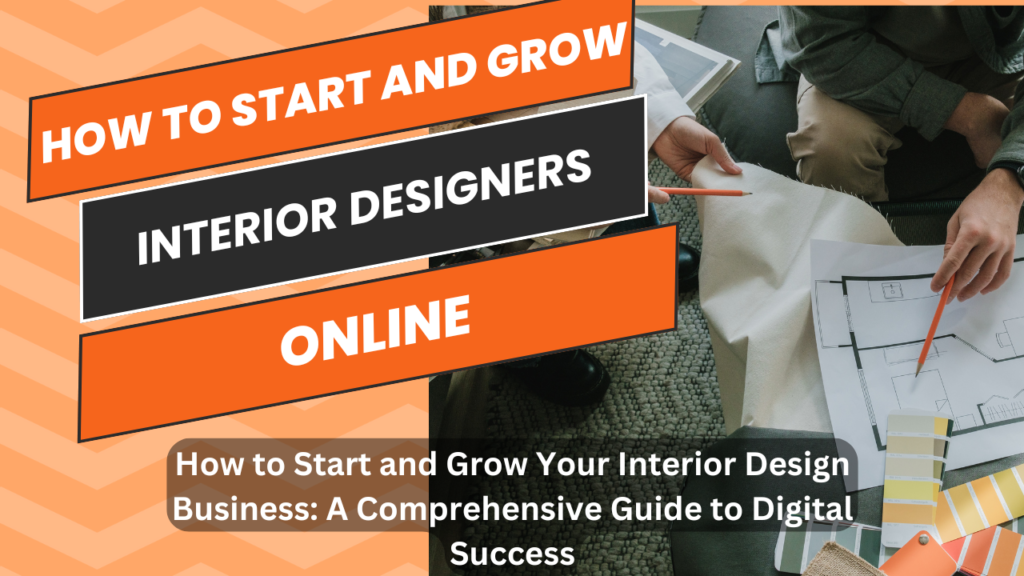
How to Start and Grow Your Interior Design Business A Comprehensive Guide to Digital Success

Start & Grow Your Interior Design Biz: Digital Success Guide

How to Start and Grow Your Interior Design Business in the Digital Age

The interior design industry is thriving, with homeowners and businesses increasingly seeking professional help to create aesthetically pleasing and functional spaces. However, as an interior designer, your talent alone isn’t enough to guarantee success. In today’s digital-first world, having a strong online presence is critical to attracting clients, building your brand, and growing your business.

The start grow your interior design is available exclusively at Wp PiP.

This blog post will guide you through the essential digital strategies to start and grow your interior design business. From creating a visually appealing website to leveraging social media and video content, we’ll cover everything you need to know. Plus, we’ll show you how WpPiP, a leading agency specializing in web development, digital marketing, and video editing, can help you achieve your business goals.

Why a Strong Online Presence is Crucial for Interior Designers

Before diving into the strategies, let’s understand why a robust online presence is non-negotiable for interior designers:

  1. Showcase Your Work: Your portfolio is your most powerful tool. An online presence allows you to display your projects to a global audience.
  2. Build Credibility: A professional website and active social media profiles establish trust and credibility with potential clients.
  3. Attract Clients: Most clients today search for services online. If you’re not visible, you’re missing out on valuable opportunities.
  4. Stay Competitive: The interior design industry is highly competitive. A strong digital presence helps you stand out from the crowd.

Now, let’s explore the key digital strategies to help you succeed.


1. Web Development: Building a Visually Appealing and Functional Website

Your website is the cornerstone of your online presence. It’s often the first impression potential clients have of your business, so it needs to be visually stunning, user-friendly, and optimized for conversions.

Tips for Creating an Interior Design Website That Converts

a. Choose a Clean and Modern Design

Interior design is all about aesthetics, so your website should reflect your design sensibility. Opt for a clean, modern layout with ample white space to highlight your work. Use high-quality images and a cohesive color palette that aligns with your brand.

b. Showcase Your Portfolio

Your portfolio is the heart of your website. Create a dedicated section to display your best projects. Use high-resolution images and include before-and-after shots to demonstrate your expertise. Organize your portfolio by categories (e.g., residential, commercial, modern, traditional) to make it easy for visitors to navigate.

c. Optimize for Mobile Devices

With most web traffic coming from mobile devices, your website must be mobile-friendly. Ensure your site is responsive, meaning it adapts seamlessly to different screen sizes.

d. Include Client Testimonials

Social proof is a powerful tool for building trust. Feature testimonials from satisfied clients to showcase your reliability and expertise.

e. Add a Blog Section

A blog allows you to share design tips, trends, and insights, positioning you as an authority in your field. It also improves your website’s SEO, helping you rank higher on search engines.

f. Integrate Contact Forms and Calls-to-Action (CTAs)

Make it easy for potential clients to reach out. Include clear CTAs like “Schedule a Consultation” or “Request a Quote” on every page. Use contact forms to collect essential information and streamline the inquiry process.

At WpPiP, we specialize in creating custom websites tailored to the unique needs of interior designers. Our team of expert developers will ensure your site is visually stunning, user-friendly, and optimized for conversions.


2. Digital Marketing: Driving Traffic and Generating Leads

A beautiful website is just the beginning. To grow your interior design business, you need a solid digital marketing strategy to drive traffic, generate leads, and convert visitors into clients.

Key Digital Marketing Strategies for Interior Designers

a. Search Engine Optimization (SEO)

SEO is essential for improving your website’s visibility on search engines like Google. Focus on:

  • Keyword Research: Identify keywords your potential clients are searching for, such as “interior designer in [city]” or “modern home decor ideas.”
  • On-Page SEO: Optimize your website’s content, meta tags, and images with relevant keywords.
  • Local SEO: Claim your Google My Business listing and optimize it for local searches.

b. Social Media Marketing

Social media platforms like Instagram, Pinterest, and Facebook are ideal for showcasing your work and connecting with potential clients.

  • Instagram: Share high-quality images and videos of your projects. Use hashtags like #InteriorDesign, #HomeDecor, and #DesignInspiration to reach a broader audience.
  • Pinterest: Create boards for different design styles and trends. Pin your projects and link them back to your website.
  • Facebook: Share client testimonials, behind-the-scenes content, and promotions to engage your audience.

c. Pay-Per-Click (PPC) Advertising

PPC ads on Google or social media can help you reach a targeted audience quickly. Use eye-catching visuals and compelling ad copy to attract clicks.

d. Email Marketing

Build an email list and send regular newsletters featuring your latest projects, design tips, and special offers. Email marketing is a cost-effective way to nurture leads and stay top-of-mind with potential clients.

WpPiP offers comprehensive digital marketing services, from SEO and social media management to PPC campaigns and email marketing. Our team will create a customized strategy to help you attract and convert more clients.


3. Video Editing: Using Video Content to Engage and Inspire

Video content is one of the most effective ways to showcase your work and connect with your audience. From project walkthroughs to design tutorials, videos can bring your designs to life and engage potential clients on a deeper level.

Tips for Creating Compelling Video Content

a. Project Walkthroughs

Create videos that take viewers on a virtual tour of your completed projects. Highlight key design elements and explain your creative process.

b. Before-and-After Videos

Showcase the transformation of a space with before-and-after videos. These are highly engaging and demonstrate the value you bring to your clients.

c. Design Tips and Tutorials

Share your expertise by creating videos that offer design tips, trends, and DIY ideas. This positions you as an authority and builds trust with your audience.

d. Client Testimonials

Video testimonials are more impactful than written ones. Interview satisfied clients and let them share their positive experiences working with you.

e. Behind-the-Scenes Content

Give viewers a glimpse into your creative process. Show them how you source materials, collaborate with clients, and bring designs to life.

At WpPiP, we specialize in professional video editing services. Our team will help you create high-quality videos that captivate your audience and showcase your work in the best possible light.


Why Choose WpPiP for Your Digital Growth?

At WpPiP, we understand the unique challenges interior designers face in building and growing their businesses online. That’s why we offer a complete suite of services tailored to your needs:

  • Web Development: Stunning, responsive websites that showcase your work and convert visitors into clients.
  • Digital Marketing: Customized strategies to drive traffic, generate leads, and grow your brand.
  • Video Editing: High-quality videos that engage and inspire your audience.

Our team of experts will work closely with you to create a digital strategy that aligns with your business goals and helps you stand out in a competitive market.


Call-to-Action: Let WpPiP Help You Achieve Digital Success

Ready to take your interior design business to the next level? Whether you need a new website, a digital marketing strategy, or professional video content, WpPiP has you covered.

Contact us today to schedule a consultation and discover how we can help you achieve your digital growth goals. Let’s work together to create a stunning online presence that attracts clients and grows your business.

Visit WpPiP.com  to get started!


By implementing these digital strategies and partnering with WpPiP, you’ll be well on your way to building a successful and thriving interior design business. Don’t wait—start your digital transformation today!

your ideal clientele. Let’s explore essential strategies to successfully start grow your interior design business in this competitive digital landscape.

To start and grow your interior design business, begin by establishing a compelling brand that reflects your unique style and vision. Your brand should clearly communicate your design philosophy and the value you offer to clients. Create a standout logo and choose a consistent color palette that resonates with your target market. This visual consistency extends to your website, social media profiles, and any marketing materials. A strong, cohesive brand presence helps potential clients remember and trust you.

A highly functional and visually pleasing website is a cornerstone for your online presence. Potential clients often use the internet to find and vet interior designers, so your website should make a stellar first impression. Clearly display your portfolio with high-quality images of your past projects, and consider including detailed case studies that showcase your ability to transform spaces. A well-written about page can give visitors insight into your work ethic, experience, and approach, helping you to start grow your interior design business effectively.

Search engine optimization (SEO) is another essential element for visibility. Optimize your website with relevant keywords and ensure your site is mobile-friendly to appeal to a broader audience. Create quality content that addresses common client questions and design challenges. Blog articles featuring design tips, trend analyses, and project commentaries can draw traffic and position you as a knowledgeable authority in your field. Incorporating local SEO strategies will also help you attract clients from specific areas you serve.

Social media platforms play a significant role in reaching potential clients and industry peers. Utilize platforms like Instagram and Pinterest, which are highly visual and perfectly suited for showcasing your design projects. Share behind-the-scenes content, design inspiration, and client testimonials. Regularly engaging with your audience builds relationships and fosters a community interested in your services. Don’t shy away from using stories and live videos to engage and provide immediate insights into your creative process or completed projects.

Networking remains an invaluable strategy as you start grow your interior design business. Attend industry events, join professional organizations, and engage in forums or online communities related to interior design. Such interactions can lead to partnerships with other professionals, like architects and real estate agents, who might refer clients to you. Collaboration can benefit both parties, leading to mutual growth and enhanced creativity by merging different perspectives and expertise.

Consider diversifying your services to cover a wider range of client needs. This could mean offering virtual consultation services for clients who are not in close proximity or need quick advice. E-design services or mood boards sent online can be an attractive option for tech-savvy clients or those with limited budgets. Flexibility in your offerings will make your services accessible to a broader audience and can be a strategic move to sustain and grow your interior design business amidst varying market demands.

Online reviews and testimonials are powerful tools to enhance your credibility and attract new clients. Encourage satisfied clients

“`html

your ideal clients. To start and grow your interior design business effectively, it’s essential to understand your target demographic’s needs and preferences. Dive into research, not only looking at potential clients but also exploring industry trends. Who are the leading designers, and what sets them apart? Look at their online presence; how do they leverage digital platforms to showcase their talent?

Building a strong online foundation begins with a professional website. Your site should be visually appealing and reflective of your design style, but it also needs to be user-friendly and optimized for both search engines and mobile devices. When you’re looking to start grow your interior design presence online, remember that a well-designed website acts as your digital business card. It’s where potential clients form their first impression, so ensure it accurately represents your brand.

To boost visibility, consider investing in SEO strategies. Keywords related to “start grow your interior design” can help improve your search engine rankings. Carefully crafted content, including blog posts, portfolios, and client testimonials, should integrate these keywords naturally, offering value and insights that resonate with your audience. This boosts your credibility while increasing the likelihood that potential clients will find you through organic search.

Social media is another critical aspect of growing your digital presence. Platforms like Instagram, Pinterest, and Houzz are inherently visual, making them ideal for interior designers. Share high-quality images of your completed projects, behind-the-scenes photos, and sneak peeks of upcoming designs. Engaging with your audience through posts and stories not only humanizes your brand but also strengthens client relationships. Networking with followers and other industry professionals can further help you start grow your interior design business.

Consider utilizing online directories and design platforms to expand your reach. These sites are often visited by those searching for interior design services. Your profiles should be complete with portfolio examples, professional accolades, and client reviews. The more comprehensive and engaging your profile, the more likely you’ll stand out to potential clients looking to start grow their own projects with expert input.

Building an email list is another strategy that shouldn’t be overlooked. It allows you to directly reach interested parties with newsletters, special offers, and updates about your design services. Regular newsletters can showcase your latest projects, highlight industry trends, or provide helpful design tips. Compelling content encourages readers to engage with your offerings, frequently leading to new business opportunities.

Hosting webinars or virtual workshops can further cement your authority within the interior design sphere. By sharing valuable knowledge on design trends or practical tips—while naturally weaving in experiences of how to start grow your interior design business—you build credibility. This not only positions you as an expert but also broadens your audience base globally.

Consistent branding across all digital touchpoints is essential. From your website to your social media accounts, maintaining a cohesive brand image ensures that clients can easily recognize and connect with your services. This consistency builds trust

“`html

strategy. To successfully start grow your interior design business, focus on establishing a unique brand identity. This begins with understanding what differentiates your services from competitors. Consider what specific style or theme you excel in and how that resonates with potential clients. Showcase your portfolio through a stunning, well-structured website; it’s your digital storefront and often the first impression clients will have of your work.

Your website should emphasize your strengths, highlight successful projects, and include testimonials from satisfied clients. Quality photos are essential to display your design talent and attention to detail. It’s crucial to focus on user experience, ensuring that your site is easy to navigate and meets all accessibility standards. A seamless online presence helps you effectively start grow your interior design venture.

Social media channels are powerful tools for broadening your reach and engaging with audiences. Platforms like Instagram and Pinterest, explicitly visual, enable you to share your latest projects and design inspirations. Regularly posting content can help keep your audience engaged and position you as a thought leader in the industry. Use these platforms to connect with potential clients and collaborators, creating opportunities for networking and partnerships.

Another critical factor for start grow your interior design business is prioritizing client relationships. Building a strong rapport with clients is essential for repeat business and referrals. Excellent communication ensures that you fully understand their needs and expectations, leading to successful project outcomes. Always be open to feedback and ready to adapt, as this flexibility can distinguish your service from others in the industry.

Incorporating online tools and management software can streamline operations and improve client interactions. Utilize design software to create virtual mockups, helping clients visualize the final results and make informed decisions. Project management tools assist in keeping tasks organized and on schedule, thus enhancing efficiency and client satisfaction.

To sustain and expand your practice, continue professional development by attending workshops, webinars, and industry events. These can offer new ideas and perspectives that you can incorporate into your design approach. Staying informed about emerging trends keeps your skills sharp and competitive.

Ultimately, the pathway to start grow your interior design business is about blending your creative vision with strategic business practices. By leveraging digital tools and nurturing client relationships, you can create a thriving enterprise in the ever-evolving landscape of interior design.

“`

“`html

and retaining clients. To successfully start and grow your interior design business, you need to strategically leverage digital tools and platforms. This begins with a well-designed website that showcases your portfolio, reflects your design aesthetic, and offers an easy way for potential clients to contact you. Invest time in crafting creative content that highlights your unique style and expertise. Use high-quality images and detailed descriptions to give visitors a clear sense of your capabilities.

A strong social media presence is another essential aspect. Platforms like Instagram and Pinterest are invaluable for interior designers, as they allow you to showcase your work to a wide audience. Engage with your followers by sharing behind-the-scenes glimpses, client testimonials, and design tips. This interaction not only builds your brand but also strengthens your online community, helping you to start and grow your interior design business more effectively.

Networking online within interior design communities and forums can also provide significant growth opportunities. By participating in these spaces, you not only learn from industry peers but also gain insights into emerging trends and client preferences. Additionally, online learning platforms can help you continually develop your skills. With an ever-evolving industry landscape, staying updated on the latest design software, marketing strategies, and client management tools is crucial to successfully start and grow your interior design venture.

“`

your ideal clientele. To start grow your interior design business effectively, it’s essential to identify your niche and develop a unique brand voice. This brand voice should resonate through all digital channels—your website, social media, and email communications—creating a cohesive image that stands out in a crowded marketplace.

Once your brand is clearly defined, the next step involves leveraging digital marketing strategies tailored to your unique vision. Social media platforms, like Instagram and Pinterest, serve as visual portfolios, showcasing your design projects to a vast audience. Consistency in posting, engaging with followers, and using trending hashtags specific to the interior design industry will amplify your reach. This engagement is crucial as potential clients often form first impressions based on your social media presence.

Creating a visually appealing and user-friendly website is another critical aspect, as it often serves as the initial touchpoint for prospective clients. Your website should highlight your best work, tell your story, and include testimonials from satisfied clients. When aiming to start grow your interior design venture online, ensure your website is optimized for search engines by including relevant keywords naturally within your content, making it easier for potential clients to discover you.

Networking in online communities is equally vital. Platforms such as LinkedIn or Facebook groups focused on entrepreneurship or interior design can offer both inspiration and opportunities. By actively participating in these communities, you can share insights, learn new trends, and even discover partnerships that could enhance your business ventures.

Don’t underestimate the power of newsletters to keep your audience engaged. Email marketing remains a potent tool for maintaining client relationships. Regularly send out insightful content like design tips, case studies, or industry trends to keep your subscribers interested. This form of communication not only reinforces your expertise but keeps your brand top-of-mind for future projects and referrals.

Additionally, incorporating client feedback and testimonials into your marketing material can considerably boost your credibility. Encouraging satisfied clients to leave reviews or even share their experiences in video testimonials amplifies trust and could be the deciding factor for prospects. These testimonials not only reinforce your professional achievements but also personalize your brand, making it more relatable.

The world of interior design is always evolving, driven by both aesthetic trends and technical advancements. Staying updated with cutting-edge software and tools that enhance both design quality and efficiency should be a priority. Software like 3D rendering applications not only improve the visualization experience for clients but also streamline your project workflow.

Another essential element is to continuously evolve with client expectations and industry standards. As the digital landscape changes, so will the tools and techniques you use. Stay informed about the latest digital marketing strategies or software that could give you a competitive edge. Courses or webinars tailored to interior designers can offer invaluable insights and keep you at the forefront of the industry.

Finally, don’t overlook the power of collaboration. Partnering with other professionals, such as architects or general contractors, can expand your

“`html

your ideal clients. As you look to start grow your interior design business, it’s crucial to leverage digital tools and strategies effectively. First, consider developing a professional website that reflects your brand’s personality. Your website acts as an online portfolio, showcasing your best work and housing testimonials from satisfied clients. This is where potential clients will first form an impression, so make sure it is visually appealing and easy to navigate.

Additionally, social media platforms are vital for reaching wider audiences. Platforms such as Instagram and Pinterest are particularly well-suited for interior designers because they heavily emphasize visual content. Regularly post high-quality photos of your work, behind-the-scenes glimpses, and design inspirations to engage followers and build your brand. Engaging with followers by responding to comments and messages will further build a community around your business.

Email marketing can be another effective avenue. Sending monthly newsletters with design tips, news, and updates about your projects can keep your audience engaged and enhance your relationships with potential clients. Offer incentives like free consultations or design guides to encourage sign-ups. Your newsletter can become a valuable tool as you work to start grow your interior design business.

Networking is also crucial. Attend industry events and join online communities to connect with other professionals and potential clients. These connections can lead to collaborations and referrals, which are invaluable as you start grow your interior design venture. Consider joining industry-specific forums or groups on platforms like LinkedIn to share insights and learn from others in the field.

Don’t overlook the power of search engine optimization (SEO). By optimizing your website content with relevant keywords, you’ll increase your chances of appearing in search engine results when potential clients look for interior design services. Focus on creating valuable content that addresses the needs and interests of your target audience. Include keywords naturally within your blog posts, service descriptions, and image alt text to improve visibility.

Finally, keep abreast of the latest trends and technologies in both digital marketing and interior design. Being informed positions you as a thought leader in the industry and helps differentiate your brand. Consistent learning and adapting will ensure you not only start grow your interior design business successfully but also sustain its long-term growth in an ever-evolving digital landscape.

“`

“`html

vision. To start grow your interior design business effectively, it’s essential to leverage digital platforms. Utilize social media channels to showcase your portfolio and connect with potential clients. Share your projects on Instagram and Pinterest, where visual content thrives, and engage in conversations that highlight your design philosophy.

Building a professional website is another cornerstone strategy. Your site should not only reflect your style and expertise but also be optimized for search engines to ensure visibility. Ensure it includes an engaging homepage, an easily navigable gallery of your work, and a blog where you can share insights. These elements contribute to a client’s first impression and can be pivotal in converting a visitor into a customer.

Email marketing remains an impactful tool for growth. By crafting personalized newsletters and sharing industry tips, design trends, and your recent projects, you keep your audience informed and engaged. This approach not only helps retain existing clientele but can also attract potential customers who value receiving expert advice and updates on new design innovations.

Using data analytics to understand your audience is another best practice when planning to start grow your interior design firm. Tools like Google Analytics offer insights into visitor behavior, helping you tailor your content strategy to better meet client needs. You’ll gain a clearer picture of who your audience is, what they like, and how they interact with your online presence.

The use of virtual reality and 3D visualization is another way to effectively market your services online. By offering virtual walkthroughs and realistic renderings, you allow clients to experience their spaces before a project begins. This technological edge can differentiate you from competitors.

Incorporating client testimonials and case studies on your website adds credibility and demonstrates your capability to deliver on design promises. Client reviews can influence potential customers’ decisions, supporting your mission to start grow your interior design business by building trust and authenticity.

Networking with other professionals in the industry can also enhance your growth. Partnering with architects, contractors, and suppliers not only expands your service offerings but also opens referral opportunities. Joining online forums and participating in industry webinars are excellent ways to start grow your interior design social circle, sharing knowledge and staying updated on market changes.

Finally, maintaining flexibility and adapting to new tools and trends is crucial in ensuring long-term success. Being able to pivot and embrace changes such as sustainable design practices or new digital tools keeps your business relevant and ready for future challenges.

“`

Leave a Reply

WhatsApp Logo Chat with Us
