
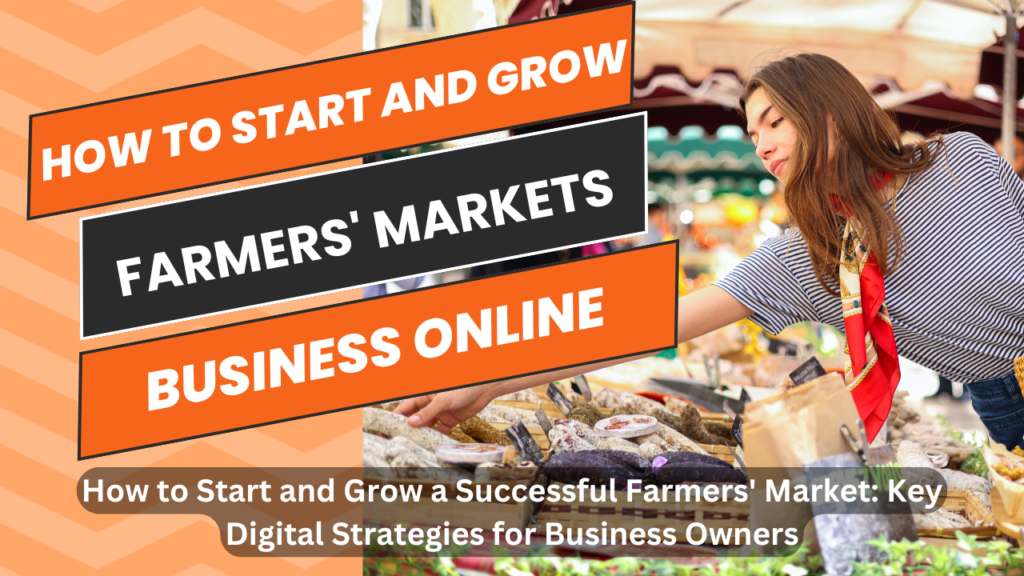
How to Start and Grow a Successful Farmers' Market Key Digital Strategies for Business Owners

Grow a Successful Farmers’ Market: Key Digital Strategies

How to Start and Grow a Successful Farmers’ Market: Key Digital Strategies for Business Owners

Starting and growing a farmers’ market can be a rewarding venture, connecting local farmers and artisans with the community while promoting fresh, organic products. However, like any business, success doesn’t happen overnight. To build a thriving farmers’ market, it’s essential to integrate digital strategies that create visibility, engage customers, and streamline operations.

The grow successful farmers’ market: key is available exclusively at Wp PiP.

In today’s fast-paced world, having a strong online presence is no longer optional—it’s a must. Digital marketing, web development, and video content are powerful tools to help your farmers’ market stand out, grow, and attract a loyal customer base. In this blog post, we’ll walk you through how to leverage these tools to elevate your farmers’ market business. And, throughout this journey, we’ll show you how WpPiP—our full-service agency—can help you maximize your digital growth potential.

Why Digital Strategies Matter for Your Farmers’ Market

Farmers’ markets often operate in specific geographic areas, which means that building local awareness is essential. At the same time, online visibility allows you to expand your reach beyond the physical location, bringing in new customers from nearby communities. A combination of web development, digital marketing, and video content is key to attracting attention and building a sustainable business.

In this competitive digital landscape, standing out requires more than just a booth with fresh produce. You need an online presence that showcases what your market offers and provides convenience to your customers.

Step 1: Developing a Visually Appealing and Functional Website

Your website is your digital storefront, and it needs to capture the essence of your farmers’ market while offering an easy-to-navigate experience for customers.

Key Elements of a Great Farmers’ Market Website

  1. Mobile Optimization: With many people browsing on mobile devices, it’s crucial that your website is responsive and easy to use across various screen sizes. A mobile-friendly website improves the user experience, increases engagement, and boosts SEO.
  2. Clear Branding: The design and layout of your website should reflect the essence of your farmers’ market—whether it’s rustic, vibrant, or community-focused. Use colors, fonts, and images that speak to your audience and create a welcoming atmosphere.
  3. Event Calendar: A dedicated calendar that lists market days, special events, and seasonal offerings will keep customers informed and engaged. Make it easy for people to check when they can visit your market, and don’t forget to highlight any seasonal festivals or themed events.
  4. Vendor Listings: Show off your local vendors! Include a page or section that highlights the products and services offered by your market’s vendors. This not only helps build credibility but also encourages customers to support local businesses.
  5. Online Ordering or Marketplace: Implementing an online ordering system, where customers can browse and buy products from vendors, adds convenience and opens up additional revenue streams. Many farmers’ markets are adding this feature to help customers buy from multiple vendors without leaving home.

How WpPiP Can Help

WpPiP’s team of experienced web developers can create a custom website for your farmers’ market that is optimized for speed, user experience, and search engine ranking. Our approach combines aesthetics with functionality, ensuring that your site looks great and is easy to navigate. Whether you need a simple website or a more complex platform with an online store, we’ve got you covered.

Step 2: Implementing Effective Social Media Marketing

Social media is a powerful tool for engaging with customers, building brand loyalty, and increasing foot traffic to your market. With the right strategy, you can create buzz around your market and establish a direct connection with your community.

Best Social Media Platforms for Farmers’ Markets

  1. Facebook: With its local event features and community-building tools, Facebook is ideal for promoting your market. Create a Facebook page for your market, where you can share updates, host events, and engage with customers in real-time.
  2. Instagram: Instagram is the perfect platform to showcase the beauty of your market. Post high-quality images of your vendors, products, and events. Use Instagram Stories to give followers a behind-the-scenes look at your market and engage with them through polls, questions, and challenges.
  3. TikTok: If your target audience is younger or you want to showcase your market in a fun, engaging way, TikTok is a fantastic platform. Post short, creative videos that highlight the vibrant atmosphere of your market, feature local vendors, or share cooking tips using ingredients from your market.
  4. Pinterest: Many people look for recipe ideas and lifestyle inspiration on Pinterest. By creating boards with recipes using fresh market ingredients, you can encourage followers to visit your market for the products they need.

How WpPiP Can Help

WpPiP can design and implement a custom social media strategy for your farmers’ market. We’ll help you choose the best platforms, create engaging content, and schedule posts to keep your audience informed and engaged. From graphic design to content creation, we have the expertise to manage your social media presence effectively.

Step 3: Using Video Content to Engage and Attract Customers

Video is one of the most effective ways to capture the attention of your audience. Whether it’s showcasing your market’s atmosphere, highlighting unique products, or telling the story of your vendors, video content helps you connect with customers on a deeper level.

Video Ideas for Farmers’ Markets

  1. Vendor Spotlights: Create short videos that feature the vendors at your market. Let them tell their stories and explain why they’re passionate about the products they sell. This builds a personal connection with your customers and encourages support for local businesses.
  2. Cooking Demos: Show customers how to use products from your market to prepare delicious meals. You can either collaborate with vendors or hire chefs to create cooking demonstration videos, which will help inspire customers to try new ingredients.
  3. Behind-the-Scenes: Give followers a peek behind the scenes to see how your market is set up or how vendors prepare their products. This adds transparency and authenticity to your brand, building trust with your audience.
  4. Customer Testimonials: Ask your regular customers to share why they love your market. These testimonials are powerful social proof that can help convince others to visit.
  5. Live Streams: Host live video sessions where you interact with customers in real-time, answer questions, or showcase what’s available at the market that day.

How WpPiP Can Help

Our team at WpPiP specializes in high-quality video production, from filming and editing to sharing on the appropriate platforms. We can help you create compelling video content that highlights the best aspects of your farmers’ market and resonates with your audience.

Step 4: Search Engine Optimization (SEO) for Local Visibility

Search engine optimization (SEO) is essential for ensuring that your farmers’ market ranks high on search engines like Google. When potential customers search for “farmers’ market near me,” you want to appear at the top of the results.

Key SEO Tips for Farmers’ Markets

  1. Local Keywords: Use location-based keywords throughout your website and social media profiles. For example, “Farmers’ Market in [Your City]” or “Fresh Produce in [Your Area].” This helps search engines associate your business with a specific location.
  2. Google My Business: Set up and optimize your Google My Business profile to improve your local SEO. This allows your market to appear on Google Maps and in local search results, making it easier for customers to find you.
  3. Content Creation: Regularly publish blog posts, recipes, vendor highlights, or seasonal updates on your website. This provides fresh content for search engines to index and helps position your market as a valuable resource.
  4. Customer Reviews: Encourage customers to leave reviews on Google, Yelp, and other review platforms. Positive reviews can boost your credibility and help improve your search rankings.

How WpPiP Can Help

WpPiP’s SEO experts will optimize your website for local search, ensuring that your farmers’ market gets noticed by potential customers. From keyword research to on-page SEO and content creation, we provide comprehensive SEO services to enhance your digital visibility.

Step 5: Engaging Your Community and Building Loyalty

Finally, growing a successful farmers’ market requires building a community of loyal customers. By fostering strong relationships with your customers and offering incentives, you can ensure that your market remains a go-to destination for fresh, local produce.

Tips for Building Community Engagement

  1. Loyalty Programs: Offer discounts or incentives for repeat customers. A loyalty program that rewards people for visiting regularly or buying from multiple vendors can increase foot traffic.
  2. Email Newsletters: Send regular newsletters with updates about your market, new products, events, and special offers. An email list is a great way to keep customers informed and engaged.
  3. Partner with Local Organizations: Collaborate with local farms, schools, charities, or restaurants to host special events, such as fundraisers or cooking classes. This strengthens ties with the community and attracts new customers.

Conclusion: Let WpPiP Help You Grow Your Farmers’ Market

Building and growing a successful farmers’ market requires a combination of community engagement, excellent customer service, and a strong digital presence. At WpPiP, we understand the importance of a solid online foundation for your market’s growth. From designing a beautiful and functional website to creating engaging video content and implementing a targeted digital marketing strategy, we are your one-stop solution for all things digital.

Ready to take your farmers’ market to the next level? Contact us at WpPiP today, and let us help you create a strong online presence that attracts more customers and increases your market’s success. Together, we can achieve your digital growth goals!

4o mini
Understanding digital dynamics is crucial when aiming to grow a successful farmers’ market. Key components such as establishing a solid online presence, utilizing social media effectively, and employing email marketing can greatly contribute to your market’s longevity and appeal. In a digital age where people turn to online platforms to make informed choices, ensuring that your market is easily discoverable can create a steady stream of visitors and vendors.

Consider creating a professional and user-friendly website. Your website serves as the digital hub for your market, providing visitors with essential information such as location, hours, and the types of vendors participating. A compelling website not only legitimizes your market but also acts as a powerful marketing tool. Include engaging content such as vendor stories, market news, and photography to paint a vivid picture of the market’s atmosphere. Use search engine optimization (SEO) efficiently to ensure your market shows up in relevant search results, employing terms that will bring your target audience directly to you.

Social media platforms are indispensable tools in today’s marketing landscape. Platforms like Facebook and Instagram allow the community to engage with the market before they arrive. Showcase vendor highlights, live events, and customer testimonials. These stories not only draw visitors but also foster a sense of community. An active social media presence makes attending and part of the market more than just a transaction—it’s an experience. Engage with your followers by responding to comments and messages. People appreciate brands that listen and engage, which in turn nurtures loyalty and growth.

Email newsletters can effectively communicate with current customers while enticing new ones. Regularly send curated content that could include market updates, featured vendor profiles, and upcoming events. This not only keeps your audience informed but can also provide invaluable insights into what your customers appreciate, which will guide your future growth strategies. Through consistent communication, attendees feel connected to the market’s progression, encouraging repeated visits and word-of-mouth promotion.

Additionally, partnerships with local businesses and influencers can act as a bridge to new audiences. Teaming up with recognized figures in your community can boost credibility and visibility. Influencers can share their personal experiences at your market, which is often more impactful than traditional advertising. Consider inviting them to host events, participate in vendor showcases, or simply share the market’s charm with their loyal followers.

To grow a successful farmers’ market, key insights include balancing tradition with modernity. Embrace digital solutions to enhance rather than change the authentic experiences markets naturally offer. Keep the essence of the community-driven, high-quality product offerings while using digital platforms to amplify the market’s voice. This approach ensures sustainability and relevance in an ever-evolving market landscape.

Understanding consumer behavior is another cornerstone. It’s essential to remain aware of trends and preferences. Conduct surveys, solicit feedback, and be prepared to adapt. A flexible approach allows markets to cater to consumer needs, ensuring satisfaction, growth, and innovation. By valuing customer input, you demonstrate

engage effectively with a broader audience. To grow a successful farmers’ market: key digital strategies include creating an engaging online presence. Harnessing the power of social media platforms is crucial for building a community around your market. Platforms like Instagram and Facebook are vital for sharing engaging visuals and stories about your vendors, their products, and market events. These platforms also offer the opportunity to engage directly with attendees and potential customers, helping to foster a sense of community and involvement.

Another essential strategy involves leveraging a well-designed, informative website. A website serves as the digital hub of your farmers’ market, providing important dates, vendor details, and special announcements. Featuring vendor profiles can highlight the unique stories and products available, enticing potential visitors and showcasing the diversity and quality of what your market offers. Seamlessly integrating an email newsletter sign-up on your website is another effective tactic. Regular newsletters can keep your audience informed about upcoming events and seasonal offerings, fostering a connection with your market year-round.

Collaborations with local influencers and bloggers can extend your market’s reach even further. These individuals can offer authentic endorsements and firsthand experiences, providing powerful word-of-mouth marketing that resonates deeply with potential attendees. Encouraging user-generated content is another impactful way. When your market goers share their experiences and purchases via social media and tag your market, it not only amplifies your reach but adds credibility through personal recommendations.

Additionally, you can’t overlook the importance of optimizing your digital content for search engines. An intuitive understanding of how potential customers search online is a key aspect of digital growth. Ensuring your website and content are optimized for relevant local keywords can significantly enhance your market’s visibility. Remember, when you design your digital strategies, the goal isn’t just to grow your market in numbers but to build lasting relationships with vendors and visitors alike. When you focus on authenticity and community connection, that’s how you truly grow a successful farmers’ market: key strategies lie in the digital realm.

One of the most effective strategies to grow a successful farmers’ market is to embrace digital marketing channels that resonate with your audience. Social media platforms offer a fantastic opportunity to engage with potential customers, share stories behind local produce, and create a community vibe online. Regular updates with vibrant images of fresh produce or highlights from recent market events can draw interest and make your market a go-to destination. Consider behind-the-scenes content that gives a personal touch, such as interviews with farmers or features on unique products available.

Building an informative and engaging website is another crucial step. Your website should not merely list times and locations but enrich users with information about vendors, product availability, and event news. Responsiveness to mobile devices cannot be overstated, as an increasing number of people rely on their phones to find local events. An optimized website not only caters to potential visitors but also supports search engines in recognizing your market as a legitimate local source, playing a key role in strategies to grow successful farmers’ market: key details about your offerings can lend credibility and attract search traffic.

Email marketing is another powerful tool in your strategy. Encourage visitors to subscribe to newsletters to keep them informed of seasonal produce and special events. Crafting meaningful content that provides value, such as cooking tips or farming insights, can nurture customer relationships and stimulate repeat visits to the market. A well-maintained mailing list helps ensure that you are at the forefront of your audience’s minds, encouraging regular attendance at your farmers’ market.

Another technique is to collaborate with local influencers who align with the values of fresh, organic living. Many influencers enjoy sharing content that highlights community-driven initiatives. Featuring your market in their stories can bring your farmers’ market into new audiences and spark interest among their followers. This approach doesn’t only aim to grow successful farmers’ market: key influencers can also provide valuable feedback on what works well and what might need improvement in attracting a larger community presence.

Additionally, leveraging analytics tools can provide insights into customer behavior and preferences. By understanding which marketing strategies drive the most engagement, you can fine-tune your approach to focus on what works. Analyzing traffic sources will help you identify which channels are most effective at bringing visitors to your market, ensuring your efforts are efficiently directed to grow successful farmers’ market: key insights can lead to more strategic decisions and a better allocation of resources.

Lastly, don’t underestimate the power of online reviews and testimonials. Encourage satisfied customers to leave positive feedback on platforms like Google, Yelp, or even your website. These reviews can significantly impact public perception and have a substantial role in the decision-making process for new market-goers. A strong online reputation further supports your efforts to grow a successful farmers’ market by showcasing the positive experiences of others.

Incorporating these digital strategies with care and consistency will help cultivate a vibrant community around your farmers’ market. Each step enhances your ability to connect with

“`html

foster meaningful connections. In today’s digital age, leveraging online tools and platforms is crucial for tapping into broader audiences and enhancing market visibility. From social media to search engine optimization, the avenues for growth and promotion are vast and nuanced. To grow a successful farmers’ market: key strategies involve a blend of traditional marketing techniques with innovative digital approaches. Engaging storytelling, compelling visual content, and interactive social media campaigns can captivate potential customers, encouraging them to share their experiences and spread the word.

Social media platforms like Instagram and Facebook offer unique opportunities to showcase what makes your market special. Sharing behind-the-scenes glimpses of the market setup, introductions to the vendors, and announcements about special events or seasonal produce can drive engagement. Not only does this build a following, but it nurtures a loyal customer base who feel invested in your market’s success. Consider collaborations with local influencers or bloggers who align with your values; their endorsements can extend your market’s reach significantly.

Another digital strategy focuses on optimizing your presence on search engines. With consumers increasingly relying on online searches to find local businesses, ensuring that your farmers’ market appears in relevant searches is essential. This process involves targeting specific keywords, a technique known as search engine optimization (SEO). By doing this effectively, you can grow a successful farmers’ market: key elements include local SEO practices. Ensure your market’s address, hours, and contact details are consistent across all listings. Utilize tools like Google My Business to update your market’s profile, add photos, and encourage customer reviews, enhancing your visibility.

In addition to SEO, email marketing remains a powerful tool. It allows direct communication with your audience through newsletters or updates about market events and offerings. Keep your subscribers informed about new vendors, exclusive promotions, or changes in seasonal produce on sale. An engaging newsletter keeps your market at the forefront of their minds and encourages regular visits.

Furthermore, engaging in partnerships with local community organizations or other markets can greatly benefit your growth efforts. Collaborative events or cross-promotions can attract different audience segments, creating a richer market experience. Sharing resources and expertise with other markets can spark innovative ideas, propelling your market toward long-term success.

Additionally, consider implementing a loyalty program. Rewarding repeat customers with discounts or exclusive perks fosters customer retention and increases word-of-mouth recommendations. This could be as simple as a punch card system or a digital loyalty app that tracks customer purchases—every initiative should aim at enhancing the customer experience and fostering a sense of community.

It’s essential to remember that every market is unique. Analyze what works best for your specific audience and location. Regularly gather feedback from customers and vendors alike, using it to adapt and refine your strategies. Through persistent efforts and by staying attuned to your community’s needs, you can grow a successful farmers’ market: key insights shared here will aid in achieving this goal.

“`html

…continue by establishing a strong digital presence. Begin by creating an engaging website that highlights your market’s unique offerings, stories of the vendors, and any upcoming events. A well-maintained website not only attracts more visitors but also builds credibility and trust. Incorporating an online platform where vendors can list their products or describe their farming practices provides customers with a preview of what to expect, further encouraging them to visit.

Utilize social media effectively to grow a successful farmers’ market: key platforms like Instagram and Facebook allow you to visually showcase fresh products and happy customers. Regularly posting engaging content, such as pictures of vibrant produce or insights into sustainable farming practices, keeps your audience interested and informed. Social media also serves as a powerful tool for fostering a sense of community and encouraging interactions between vendors and customers.

Email marketing remains a crucial strategy in reinforcing customer engagement. By building a subscribers’ list, you can send out newsletters that include market updates, vendor highlights, or special promotions. Personalized content, such as coupons for loyal patrons or announcements of seasonal products, ensures that your audience feels valued and remains connected to your growth. This consistent communication underpins your efforts to grow a successful farmers’ market: key to retaining a dedicated customer base.

Another digital strategy is to leverage online reviews and testimonials. Encourage satisfied vendors and patrons to share their experiences on platforms like Google or Yelp. Positive reviews enhance your market’s reputation and can draw new visitors interested in exploring a community-vetted experience. This organic advertisement plays a crucial role in spreading the word and establishing credibility.

In addition to these strategies, consider applying data analytics to understand customer behavior. Tracking website visits, social media interactions, and email engagements provides insights into what draws traffic and engagement. Use this data to refine your strategies, optimizing content and offerings to better serve your community and grow a successful farmers’ market: key to adapting to ever-changing consumer preferences.

By integrating these digital strategies thoughtfully, you create a thriving ecosystem where local farmers and artisans can flourish, and customers can enjoy fresh, organic produce. Continuously adapting and improving your online presence ensures a sustainable, successful farmers’ market that not only meets but exceeds community needs.

“`

“`html

carefully blend traditional marketing techniques with modern digital strategies. A crucial aspect of growing a successful farmers’ market is carving a digital path that attracts more vendors and visitors. Begin by creating an engaging and visually appealing website that serves as the heart of your online presence. Make it easy for visitors to find essential information, like your location, hours of operation, and a list of vendors. A well-structured website not only legitimizes your market but also guides new customers and vendors on what to expect.

Utilizing social media effectively is vital as well. Platforms like Instagram and Facebook enable you to reach a wider audience eager to discover local produce and handmade goods. Regular posts showcasing vendor stories, market events, and local products can trigger community interest and draw more foot traffic. Moreover, these platforms allow for direct interaction with your community, helping to build a loyal customer base while providing real-time updates for market-goers. Integrating compelling content consistently helps in the effort to grow a successful farmers’ market; key in this strategy is understanding what resonates with your audience.

Email marketing remains an underutilized tool in many markets’ arsenals, yet it’s proven effective in maintaining direct contact with your audience. By sending out weekly newsletters or announcements, you ensure your patrons are well-informed about upcoming events and specials. This engagement not only keeps your market at the forefront of their minds but can also increase turnout at events. Offering a sign-up incentive, such as a discount or free item redeemable at the market, can help grow your subscriber list quickly and effectively.

Search engine optimization (SEO) cannot be overlooked. Optimizing your website with relevant keywords and phrases, ensuring your business appears in local search results, helps drive traffic both virtually and in-person. Make sure to claim your market’s business listing on Google so that customers can easily find you and leave reviews. Encouraging customers to leave positive notes helps to build your market’s reputation online, growing trust and helping to grow a successful farmers’ market: key strategies hinge on visibility and credibility alike.

Finally, collaboration within the community is essential. Partner with local businesses such as cafes or art galleries to cross-promote events. This not only strengthens community ties but also introduces the market to patrons who may frequent other local establishments. Host events that involve local musicians or cooking demonstrations which can create a festive atmosphere, enticing more visitors. These efforts, combined with a comprehensive digital marketing strategy, are pivotal to expanding your market’s influence and success.

“`

“`html

cultivate success. One of the first steps is understanding your target audience. Knowing who visits your market can significantly influence everything from the vendors you choose to the marketing methods you implement. Successful farmers’ markets often embody the character of the local community, creating an inviting atmosphere where visitors feel welcomed and engaged.

To truly grow a successful farmers’ market: key digital strategies must include a robust online presence. A well-designed website serves as a digital hub, offering essential information about market hours, vendor lists, and upcoming events. It’s also where stories can be shared about the farmers and artisans, creating a personal connection and encouraging community participation. Social media channels further amplify this reach, allowing you to engage with your audience through enticing visuals and interactive posts. Regular content updates are crucial, keeping your market at the forefront of customers’ minds and stimulating interest and foot traffic.

Engagement doesn’t stop online. Implementing digital surveys and feedback loops can offer valuable insights into what your patrons are seeking. This kind of direct communication helps tailor offerings and improve customer satisfaction. It also contributes to the development of a loyal customer base eager to support your market. Remember, to grow a successful farmers’ market: key components include a strategy that enhances visitor experience both in-person and online.

Incorporating digital payment options can streamline the shopping experience, making it more convenient for customers. Contactless payments are increasingly popular, and accommodating these preferences positions your market as forward-thinking and customer-focused. Moreover, integrating technology doesn’t mean losing the personal touch farmers’ markets are known for; instead, it enhances convenience while maintaining authenticity.

Embracing digital advertising can further attract new visitors and vendors. Paid advertising on social platforms and search engines can target specific demographics, expanding your market’s reach beyond the immediate vicinity. Collaborations with local influencers or bloggers can also increase visibility and draw attention to unique aspects of your market. As you focus on how to grow a successful farmers’ market: key strategies here, such as digital promotions, will play a vital role in sustaining and enhancing market growth.

Networking with local businesses and community organizations can expand your market’s influence. Collaborations can lead to combined events or market days themed around common interests, attracting a wider audience. Building partnerships not only supports local business networks, but also reinforces community ties, ensuring long-term success for your market.

Ultimately, the heart of your farmers’ market should celebrate the producers and artisans who make up its core. Constantly seeking new ways to showcase their stories, craft, and quality products through digital platforms ensures that your market remains vibrant and relevant to both current and potential clientele. The intersection of community spirit and innovative strategies is where you’ll find the best opportunities to grow a successful farmers’ market: key actions and thoughtful planning transform this vision into reality.

“`

embrace innovative digital tools and strategies. Leveraging these can significantly impact the way you attract vendors and customers, manage logistics, and promote your market. A crucial step involves establishing a strong online presence. Creating an informative, user-friendly website is a necessity. It not only serves as a virtual marketplace but also a hub for all relevant information about your market.

Your website should depict your market’s unique personality, offering insights into the local produce and handmade goods available. Regularly updating your site with engaging content, like blog posts featuring vendor stories or recipes, can keep visitors coming back. Additionally, it’s important to optimize your website for search engines. Implementing SEO best practices ensures that when people search for ways to “grow successful farmers’ market: key,” your market appears at the top of their results.

Social media platforms are another vital component. They allow real-time engagement with both current and potential customers. Sharing vibrant photos of your market’s atmosphere, announcements of special events, and vendor highlights can build a loyal community interested in visiting and supporting your market. Utilizing targeted ads on these platforms can further help you reach audiences who are actively looking for fresh, local produce in your area.

Email marketing should not be overlooked. By collecting email addresses through your website or at in-person market events, you can keep in touch with your audience. Regular newsletters can include updates about new vendors, seasonal produce availability, and tips on what to expect at upcoming markets. It’s a way to grow your farmers’ market audience by delivering value directly to their inbox. An effective email strategy is key for maintaining ongoing relationships with your community.

Lastly, consider partnering with local influencers or bloggers who align with your market’s values and mission. These partnerships can amplify your reach exponentially by tapping into their established audience. Crafting these collaborative efforts thoughtfully ensures that your market is introduced in a genuine way, aligning with both your digital strategy and brand ethos. Through consistent application of these methods, you’ll not only grow successful farmers’ market: key, but you’ll also cultivate a vibrant community hub that continues to thrive in the digital age.

one needs to implement a blend of traditional methods and new digital strategies. One of the first steps to grow a successful farmers’ market is building an online presence that effectively showcases the unique offerings of your vendors. Start by developing a user-friendly website that highlights each vendor with engaging stories, product highlights, and vibrant images that capture the essence of fresh produce and artisanal goods. This not only attracts local customers but also creates an opportunity for storytelling that connects individuals with the source of their food.

Embracing social media is another key digital strategy in your journey to grow a successful farmers’ market: key platforms like Instagram and Facebook allow for direct engagement with your audience. Share real-time updates about vendor booths, market schedules, and special events to keep your community informed and excited. Regularly post photos or short video clips showcasing market day activities, which can significantly increase foot traffic and engagement.

The importance of Search Engine Optimization (SEO) cannot be overstated when considering how to effectively grow a successful farmers’ market: key is to ensure your online content is optimized with relevant keywords and phrases that potential visitors might search. This increases your market’s visibility and helps attract new patrons who are interested in local, organic, and fresh products.

Email marketing should not be overlooked as part of your digital strategy. Sending out newsletters filled with market highlights, seasonal produce updates, and vendor spotlights can maintain interest and keep your market front-of-mind for regular visitors. Encourage sign-ups through your website and social media to build a robust subscriber list effectively.

Finally, consider utilizing analytics tools to evaluate your online presence and engagement strategies. These tools can help measure the success of different digital tactics, providing valuable insights that can be used to adjust and refine marketing approaches. Recognizing what resonates with your audience is a crucial part of how to grow a successful farmers’ market: key adjustments and improvements based on data can drive continued success and community involvement.

“`html

include effective digital marketing techniques. The key to ensuring your market stands out is through strategic use of online tools and platforms that can help you reach a larger audience. Social media is a power player in elevating your market’s presence. Engaging content like stories about your vendors, their farming practices, and the unique products available can captivate potential customers and build a loyal following.

Another essential digital strategy is leveraging search engine optimization for your market’s website. To grow a successful farmers’ market: key practices such as using local SEO can help your community find you easily online. Ensure your website is mobile-friendly, as many people will search for market locations and timings on their phones. Regularly updating your site with fresh content, like seasonal produce highlights or upcoming events, can also boost your visibility.

Email marketing remains a valuable tool for keeping your audience informed and engaged. Sending regular newsletters about what’s fresh and any special events can encourage repeat visits. A well-maintained email list of enthusiastic visitors can help grow a successful farmers’ market: key connections are built through consistent communication, leading to a tighter-knit community around your market.

Utilizing an online scheduling system for vendor bookings or customer orders can further streamline operations. This digital approach not only improves operational efficiency but also enhances customer satisfaction by providing a modern and convenient shopping experience. These strategies, when implemented effectively, can truly be the key to transforming your farmers’ market into a vibrant hub of community activity.

“`

Implementing digital strategies effectively is crucial for those looking to grow a successful farmers’ market: key elements include understanding your audience, leveraging social media platforms, and optimizing your website for search engines. Initially, identify who your primary visitors are. Are they young families, health-conscious consumers, or local tourists? Tailor your messaging and digital outreach efforts to meet their unique needs and interests.

Social media is an invaluable tool for promotion and engagement. To grow a successful farmers’ market: key strategies involve using vibrant imagery and storytelling to highlight the charm and authenticity of your market. Post regularly about vendor offerings, upcoming events, and customer experiences. Encourage followers to share their own photos and stories from the market, creating a lively online community that extends beyond market hours. Platforms like Instagram and Facebook can serve as powerful extensions of your market’s atmosphere, reaching potential visitors who may not yet know about it.

Your market’s website should be more than just a static page. Use it to share the market’s story, detail vendor information, and create a platform for easy communication. Regularly update the site with fresh blog content about seasonal produce, recipes, and interviews with local farmers. SEO optimization is another critical component to grow a successful farmers’ market: key practices include utilizing local keywords, optimizing images, and ensuring mobile-friendliness to improve your search engine ranking. By focusing on these areas, you set a strong foundation for a thriving community market, connecting with customers both online and offline.

“`html

enhance community interaction is using social media platforms effectively. By creating engaging content that highlights the market’s unique offerings, you can attract diverse audiences. Share stories of the vendors and showcase their products through high-quality photos and videos. This not only builds a connection with the audience but also helps grow a successful farmers’ market. It’s key to update regularly and respond to comments swiftly, ensuring the community feels valued and informed.

Furthermore, having an informative and user-friendly website serves as a central hub for all market-related information. Include an event calendar, vendor profiles, and a blog that offers tips on seasonal produce and recipes. Seamlessly integrating these elements into your online presence will encourage both new and returning visitors, supporting the overall effort to grow a successful farmers’ market: key components in building a loyal customer base.

Don’t overlook the power of email marketing. Capturing customer emails during market days or through online sign-ups allows you to send newsletters announcing special events, vendor highlights, and exclusive promotions. This form of direct communication is crucial to grow a successful farmers’ market: key strategies like this foster community trust and ongoing engagement.

Leveraging online reviews is another effective tactic. Encourage satisfied customers to leave positive reviews on platforms like Google and Yelp. Responding to these reviews, whether positive or negative, shows your commitment to improvement and customer satisfaction. This transparency is invaluable and resonates with potential visitors considering attending for the first time, thus helping to grow a successful farmers’ market: key insights from feedback can inspire necessary changes.

Lastly, collaborating with local influencers or bloggers who share a passion for community and sustainability can widen your reach significantly. Through partnerships, you gain exposure to new audiences who value supporting local businesses. Such collaborations, when thoughtfully executed, can be a significant factor in the quest to grow a successful farmers’ market: key relationships like these amplify your market’s presence online and offline, paving the way for sustained growth.

“`

“`html

In today’s digital age, establishing a successful farmers’ market requires more than just a picturesque location and a variety of vendors. One of the primary strategies to grow a successful farmers’ market: key digital tools and techniques must be leveraged effectively. This involves understanding your target audience, enhancing your online presence, and communicating consistently with your community.

Your first digital strategy should focus on creating a robust online platform. This could be a website or an active social media presence that provides potential visitors with important information about your farmers’ market, such as location, operating hours, and a list of vendors. Encouraging vendors to share their stories and the origin of their products on your platform can also create a personal connection with your audience, fostering a sense of community and trust.

Search engine optimization (SEO) plays a critical role in increasing the visibility of your market online. By incorporating the focus keyword naturally—grow successful farmers’ market: key strategies like content creation and backlinking become crucial. For instance, blog posts about seasonal produce or health benefits of organic food can attract a wider audience, and collaborating with local influencers or food bloggers can provide valuable backlinks to your site, boosting credibility and visibility.

Social media is a powerful tool that can influence the growth of your farmers’ market significantly. Regular updates, showcasing beautiful images of fresh produce or upcoming events, can generate excitement and anticipation. It’s not just about posting but engaging with your audience by responding to comments and messages quickly. This interaction strengthens the relationship between the market and its visitors, ensuring they feel valued and heard.

Email marketing remains an effective way to stay connected with your community. A well-crafted newsletter keeps your audience informed about upcoming events, new vendors, or special promotions. Personalizing these communications by segmenting your email list according to customer preferences can enhance engagement and encourage repeat visits to the market.

Finally, digital marketplaces can be a significant asset, allowing customers to pre-order items for pickup. This not only eases the shopping experience for busy individuals but also gives them a reason to visit the market in person to discover new products and vendors. Implementing these digital strategies with dedication can substantially grow successful farmers’ market: key elements, ensuring your market becomes an integral part of the local community.

“`

integrate seamlessly into today’s digital landscape. A successful farmers’ market requires more than just fresh produce and vibrant stalls; it demands a strategic approach to digital engagement. First, consider your online presence as the storefront that reaches customers before they even set foot in the market. An engaging website, complemented by active social media channels, offers a platform not just to inform but to inspire. Share stories of your vendors, highlight the uniqueness of their offerings, and build anticipation for upcoming market days.

Search engine optimization plays a pivotal role here. By focusing on the right keywords, including grow successful farmers’ market: key strategies, you’ll enhance visibility and attract a broader audience. When your market’s online presence is optimized, potential customers searching for fresh, local produce or community events are more likely to discover your farmers’ market. Ensure your website is mobile-friendly, as many users access content through their smartphones, and consider integrating an online marketplace to allow vendors to extend their reach beyond physical constraints.

Engagement doesn’t stop at having an informative website or social media presence. Develop a newsletter to maintain regular contact with your audience. Offer subscribers exclusive content, such as monthly market highlights, sneak peeks of new products, or vendor interviews. These efforts not only foster a sense of community but also keep your market relevant in the minds of your customers. Engage your audience with interactive content, such as behind-the-scenes market setup footage or live streams of vendor showcases, to build anticipation and a personal connection.

Collaborating with local influencers and bloggers can also extend your reach. Identify local food or lifestyle bloggers who align with the values of your farmers’ market. These partnerships can introduce new audiences to your market and foster a deeper engagement with your community. Always ensure that these collaborations feel authentic and provide value to both your market and the influencer’s audience.

A well-planned digital strategy considers not only immediate but also long-term growth potential. As you deploy these tactics, continually assess and refine your approach based on analytics and audience feedback. Adaptability is key to sustaining and enhancing your market’s success in a dynamic digital environment. This calculated effort will be the cornerstone to grow successful farmers’ market: key strategies for longevity and community engagement.

Leave a Reply

WhatsApp Logo Chat with Us